Smarter Watering Solutions for Hotter Climates: The Rise of Intelligent Irrigation
Florence, United States – April 9, 2025 / ILD Innovative Landscape Design /
As temperatures rise and drought conditions become increasingly common, the need for efficient water use in gardening and agriculture has never been more critical. Smart irrigation systems offer a powerful solution, helping conserve water, save money, and maintain lush, healthy landscapes even during the hottest months. Understanding how these systems work and their numerous benefits can empower homeowners and agricultural producers alike to make smarter, more sustainable choices.
The Importance of Efficient Water Use in Warmer Weather
Efficient water use is essential, particularly in warmer weather when evaporation rates soar and water becomes a precious resource. During hot summer months, landscapes can require significantly more water, leading to increased usage and higher bills. Traditional irrigation methods like manual watering and timed sprinklers are often inefficient, wasting water through runoff, evaporation, and unnecessary watering during rainy periods. Implementing smart irrigation technologies can dramatically reduce these inefficiencies, offering precise control and improved environmental sustainability.
How Smart Irrigation Systems Work
Smart irrigation systems integrate advanced technology to optimize water use based on real-time environmental data. They employ sensors, weather stations, and automation to deliver exactly the right amount of water at the right time. These systems collect data on soil moisture, temperature, humidity, and local weather forecasts. Based on this data, the smart controller adjusts watering schedules automatically, ensuring plants receive sufficient moisture without wasteful overwatering.
Soil moisture sensors, a key component of smart systems, measure the amount of water in the soil directly at the roots. This ensures plants are irrigated only when they need water. Additionally, smart systems often connect to local weather stations or internet-based weather data. This connectivity allows the system to predict rainfall and adjust the watering schedule accordingly, suspending irrigation in anticipation of rain and resuming only when necessary.
Benefits of Smart Irrigation Systems
There are several compelling reasons to adopt smart irrigation systems. Firstly, the significant water savings cannot be overstated. According to various studies, smart irrigation systems can reduce water usage by up to 50% compared to conventional methods. This not only conserves a vital natural resource but also results in substantial cost savings on water bills.
Another important advantage is improved plant health and landscape aesthetics. Traditional irrigation often leads to uneven watering—some areas become oversaturated while others remain too dry. Smart systems, through precise control and real-time monitoring, evenly distribute water, ensuring plants get the optimal amount. This promotes healthier growth and reduces plant stress caused by inconsistent watering.
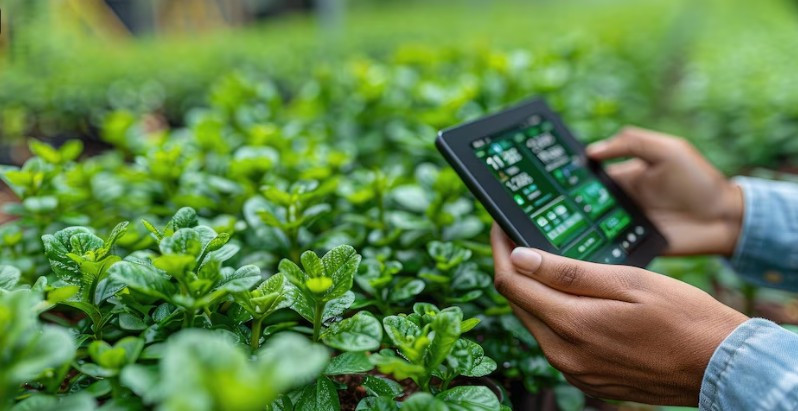
Moreover, smart irrigation systems are extremely convenient. Once installed and configured, these systems operate autonomously, significantly reducing the time and effort homeowners or farmers must dedicate to irrigation management. Remote access and control via smartphones or tablets allow users to monitor and adjust their irrigation settings from anywhere, further enhancing ease of use and flexibility.
Environmental Impact
Smart irrigation systems are an excellent tool for promoting environmental sustainability. By reducing water wastage, these systems contribute to the conservation of freshwater resources, essential in regions prone to drought and limited rainfall. Additionally, efficient irrigation helps reduce runoff and soil erosion, mitigating negative environmental impacts such as water pollution from fertilizers and pesticides being washed into waterways.
Implementing smart irrigation also aligns with global sustainability goals aimed at reducing human impact on ecosystems. As climate change continues to intensify, adopting technologies that optimize resource use becomes increasingly important, making smart irrigation systems an investment in both local and global environmental health.
Choosing the Right Smart Irrigation System
Selecting the appropriate smart irrigation system dependshttps://education.nationalgeographic.org/resource/vegetation-region/ on specific needs, budget, and the landscape or agricultural environment in question. Considerations include the size of the area, type of vegetation, local climate conditions, and existing irrigation infrastructure. Many systems offer scalable options, allowing homeowners and producers to start small and expand as their needs grow.
When choosing a system, look for reputable brands known for reliability and quality. Features such as ease of installation, user-friendly interfaces, compatibility with existing irrigation setups, and robust customer support should also influence the decision-making process. Consulting with irrigation professionals can provide valuable insights and ensure the chosen system aligns with specific goals and conditions.
FAQs About Smart Irrigation Systems
Q: How much can I save by installing a smart irrigation system?
A: Many users report saving up to 50% or more on their water bills after switching to smart irrigation systems, depending on their previous irrigation practices and the local climate conditions.
Q: Are smart irrigation systems expensive to install?
A: The initial investment may be higher than traditional irrigation methods, but the long-term savings in water usage, lower utility bills, and reduced maintenance usually offset the initial costs. Over time, these systems typically pay for themselves through savings.
Q: Can smart irrigation systems work with existing sprinkler systems?
A: Yes, many smart irrigation controllers are designed to integrate seamlessly with existing sprinkler systems, upgrading traditional setups to smarter, automated systems without extensive modifications.
Q: Do smart irrigation systems require ongoing maintenance?
A: Maintenance requirements are minimal but important for ensuring optimal performance. Routine checks include inspecting sensors and equipment, ensuring connectivity, and periodically recalibrating sensors. Most systems are designed to be low-maintenance and user-friendly.
Q: Can smart irrigation systems be used in large-scale agricultural applications?
A: Absolutely. Smart irrigation technology scales well from small residential gardens to expansive agricultural operations. Many large-scale farms utilize smart systems to achieve precise irrigation control, maximize yields, and minimize resource use.
By incorporating smart irrigation systems, both homeowners and agricultural businesses can significantly improve water use efficiency, support environmental sustainability, and ensure thriving landscapes even in the warmest weather. The advantages, ranging from economic savings to environmental conservation, make smart irrigation an essential investment in today’s climate-conscious world.

Contact Information:
ILD Innovative Landscape Design
2027 Rosedale St.
Florence, SC 29501
United States
Scott Brokaw
(843) 230-1036
http://www.ildsc.com/


Original Source: https://ildsc.com/media-room/#/media-room


