Key Takeaways
- Content repurposing can increase ROI by 3-5x when distributed across multiple channels, turning one topic into 8 different formats that reach diverse audiences
- Starting with high-performing content ensures repurposed pieces have proven appeal before investing additional effort in transformation
- Each platform requires unique optimization – Instagram favors visual carousels while LinkedIn responds to expert insights and data-rich content
- Multi-channel distribution across numerous platforms creates compounding brand authority that improves search rankings and AI platform visibility
- Systematic workflows with templates streamline the repurposing process, making it scalable for consistent content marketing success
Creating high-quality content takes significant time, effort, and resources – so why limit its impact to just one format or platform? Content repurposing transforms existing valuable insights into multiple formats that reach new audiences through their preferred channels while preserving the core message and value.
Transform One Topic Into Several Content Formats
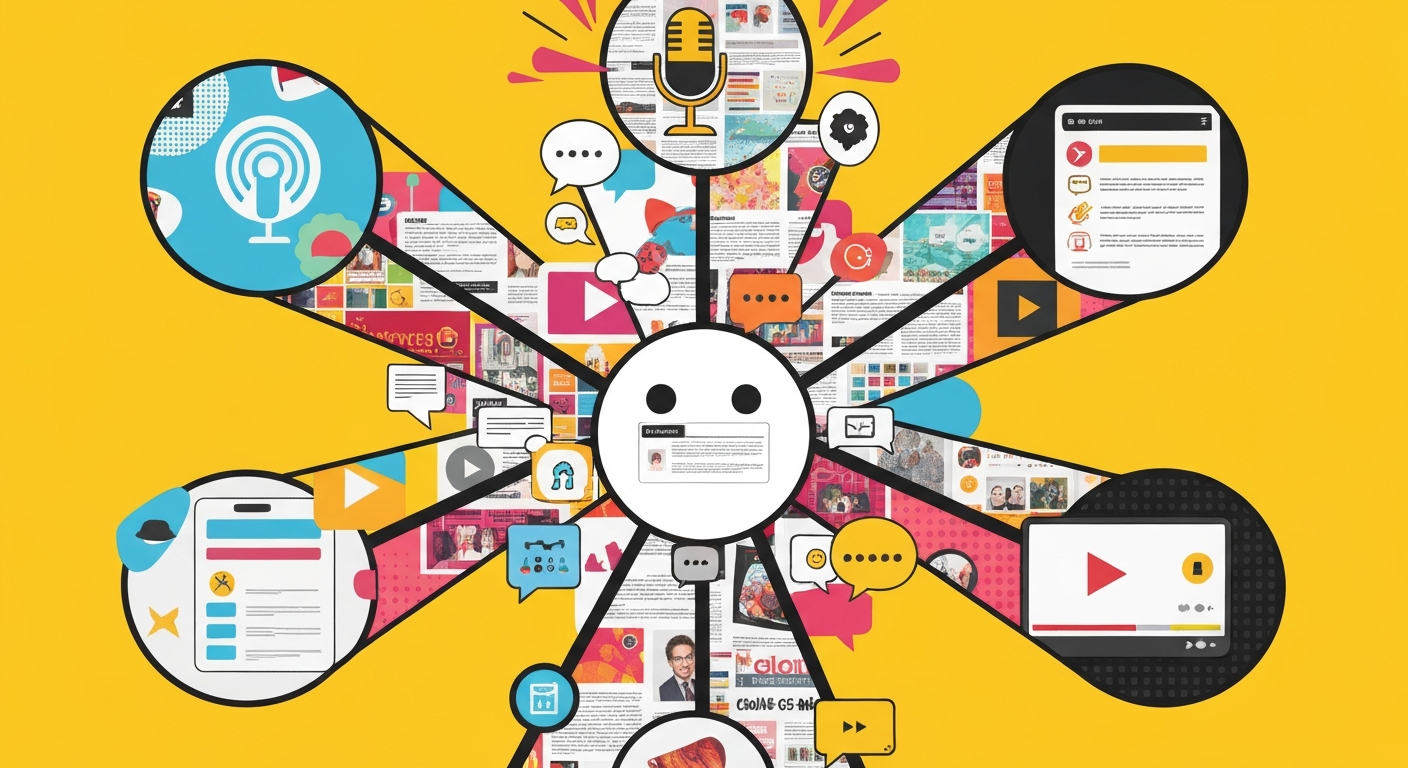
The most successful content creators understand that a single piece of content contains enough value to serve multiple audiences across different platforms. A detailed blog post can become a video series, podcast episode, social media carousel, infographic, and newsletter series – each targeting specific consumption preferences while reinforcing the same core message.
This strategic multiplication approach extends content lifespan dramatically. Instead of creating eight separate pieces from scratch, marketers can extract maximum value from proven topics that already connect with their audience. Content repurposing strategies become even more powerful when automated systems handle the transformation process across multiple formats simultaneously.
Modern content repurposing goes beyond simple format changes. It involves reimagining how valuable insights reach different audience segments through optimized delivery methods. A technical case study might become an executive summary infographic for C-level audiences, detailed implementation videos for practitioners, and social proof snippets for prospects researching solutions.
4 Strategic Steps to Maximize Content ROI
Successful content repurposing follows a structured approach that maximizes efficiency while maintaining quality and relevance across all formats. These steps create a systematic foundation for scaling content impact without proportionally increasing production time.
1. Audit High-Performing Content First
Start by identifying content assets with strong performance metrics, including page views, engagement rates, shares, and conversion data. High-performing blog posts, webinars, and case studies often contain insights that will connect across multiple formats. Prioritize evergreen topics that answer common industry questions or address persistent pain points, since they maintain relevance across different platforms and time periods.
Look for content gaps that refreshed or repurposed pieces can fill within the overall content ecosystem. A successful blog post about lead generation tactics might reveal opportunities for video tutorials, podcast discussions, and social media tip series that strengthen the complete narrative around that topic.
2. Match Formats to Platform Preferences
Each platform has unique audience expectations and consumption patterns that determine content success. Instagram audiences respond to visual storytelling through carousels and short-form videos, while LinkedIn professionals prefer data-driven insights presented in articles and infographics. YouTube viewers seek educational long-form content, whereas TikTok users engage with quick, entertaining clips.
Consider how audiences consume content within each environment. Mobile users typically prefer bite-sized visual content or short videos, while desktop users may engage more deeply with detailed guides and presentations. These consumption habits should guide whether content becomes a video clip, social graphic, detailed article, or interactive presentation.
3. Create Systematic Workflows
Build content repurposing directly into content calendars so derivative pieces are planned upfront rather than created reactively. Develop templates for common format conversions, such as standardized workflows that transform blog posts into branded social graphics with defined dimensions, character limits, and consistent design elements.
Templates streamline production while maintaining brand consistency across platforms. A systematic approach might include predetermined formats for each content type: case studies become infographics and presentation decks, webinars transform into video clips and podcast segments, while research reports generate social media series and email newsletter content.
4. Schedule Regular Content Updates
Content repurposing requires ongoing maintenance to preserve relevance and accuracy. Schedule periodic reviews to update statistics, examples, and recommendations as they evolve. This practice becomes especially important for evergreen content that can generate long-term organic traffic when properly maintained.
Regular updates also create opportunities for re-promotion across channels. Updated content can be redistributed with fresh insights, current data, and improved formatting that reflects platform changes and audience preferences. This approach extends content lifespan while maintaining competitive positioning in search results.
5 Content Repurposing Examples That Drive Traffic
These proven examples demonstrate how successful marketers transform single content pieces into multiple high-performing assets that drive engagement and traffic across diverse platforms.
Blog Posts Into Social Carousels
Blog posts contain rich information that translates perfectly into visually engaging social media carousels. Extract 5-10 key points, statistics, or actionable steps from the original article, ensuring each element can stand alone while contributing to a cohesive narrative. Design each slide to focus on a single concept with minimal text – typically 30-50 words maximum – paired with relevant imagery or graphics that improve understanding.
The first slide should capture attention with a compelling question or bold statement, while maintaining consistent branding throughout the carousel. This format works particularly well for how-to content, statistical insights, and step-by-step processes that benefit from visual breakdown.
Webinars Into Platform-Specific Video Clips
Webinars represent substantial investments of time and expertise, making them ideal candidates for extensive repurposing. Extract 2-3 minute segments that deliver complete insights or answer specific questions, focusing on moments with strong delivery and valuable content that can stand independently.
Optimize clips for different platform requirements: landscape format for YouTube, square dimensions for Facebook and LinkedIn, and vertical orientation for Instagram Reels and TikTok. Add captions to increase accessibility and viewer retention, while customizing titles and descriptions for each platform’s audience and discovery algorithms.
Podcast Episodes Into SEO-Optimized Articles
Podcast episodes contain conversational content that transforms effectively into engaging written pieces. Begin with high-quality transcripts, then restructure conversations into coherent articles with proper headings, logical paragraphs, and smooth transitions that improve readability and search engine optimization.
Preserve unique insights and authentic voice while adapting content for scannable consumption. Add relevant images, highlighted quotes, and additional resources not mentioned in the original audio. This approach provides extra value that encourages consumption of both formats while improving search visibility.
Case Studies Into Visual Infographics
Data-rich case studies can be transformed into highly shareable infographics that communicate key results visually. Extract impressive statistics, outcomes, and process steps, then organize them into logical visual narratives with clear information flow. Use consistent color-coding, icons, and data visualization techniques to highlight relationships and emphasize significant results.
Keep text minimal and focused on essentials like company names, challenges, solutions, and quantifiable outcomes while allowing visual elements to handle most communication. This format works exceptionally well for B2B content where decision-makers need quick access to proof points and success metrics.
Research Reports Into Presentation Decks
Research reports can become engaging presentation decks that highlight key findings in digestible formats. Extract compelling statistics, trends, and recommendations, organizing them into narratives that guide viewers through important insights. Focus on one main point per slide using consistent visual elements and ample white space.
These presentation decks serve multiple purposes: uploads to SlideShare for visibility, internal training materials, client education resources, webinar content, or lead generation downloads. By transforming dense reports into scannable visual presentations, marketers create multiple entry points for research while serving audiences who prefer visual information consumption.
Multi-Channel Distribution Multiplies Content Impact
Strategic distribution across multiple channels creates exponential impact that far exceeds single-platform publishing. When content appears consistently across various touchpoints, it builds cumulative brand authority and increases the likelihood that potential customers will encounter messaging during their research process.
Automated Publishing Across Multiple Platforms
Modern content distribution involves far more than posting to major social media platforms. Effective distribution includes video platforms like YouTube and Vimeo, podcast networks including Spotify and Apple Podcasts, document sharing sites such as SlideShare, news outlets, and industry-specific platforms where target audiences actively consume content.
Automated distribution systems can simultaneously publish optimized content across hundreds of platforms, ensuring maximum visibility without manual posting requirements. This approach creates multiple discovery opportunities while building consistent brand presence across the digital ecosystem where prospects research solutions.
Search Engine and AI Platform Benefits
Multi-channel distribution sends powerful authority signals to search engines and AI platforms. When content appears across numerous high-authority sites, search algorithms interpret this as evidence of credibility and relevance, improving rankings for related keywords and topics. This creates a compounding effect where increased visibility leads to more traffic and engagement.
Some AI platforms and search technologies reference content from established, authoritative sources when generating responses. Businesses with strong multi-channel presence may become preferred sources for AI-generated responses, creating valuable exposure in this growing search category.
Automated Content Repurposing and Multi-Channel Distribution
Modern content marketing tools can automate the process of repurposing and distributing content across multiple formats. A single topic can be transformed into various types of content, reducing the amount of manual work typically required to create content for different platforms.
These systems can also distribute content across a wide range of online channels, including news platforms, video-sharing sites, podcast directories, and social media networks. As such, businesses can maintain a consistent presence in the places where audiences are already searching for and consuming information.
By streamlining both creation and distribution, businesses and individuals can focus more on their core activities, such as improving products or engaging with customers, while still maintaining an active content strategy. This approach makes it easier to implement multi-channel marketing without needing large teams or extensive resources.
AmpiFire
London Office 15 Harwood Road, , London, England United Kingdom
London
England
SW6 4QP
United Kingdom