
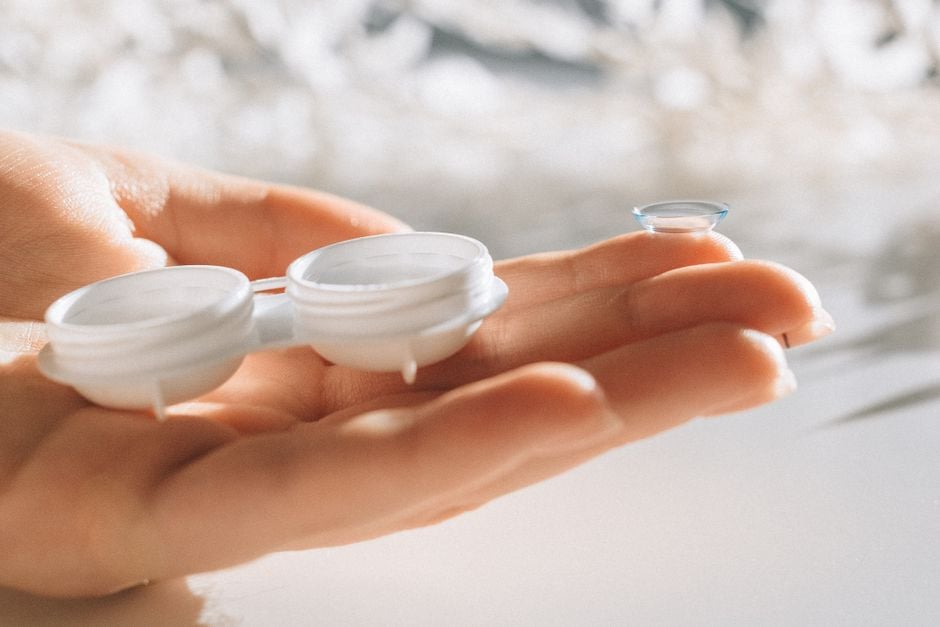
Putting something directly onto your eye can sound intimidating the first time, but contact lenses are hardly unusual: around 45 million people in the U.S. wear them. What new wearers may not realize is that getting contacts involves more than taking the prescription from a pair of glasses and ordering lenses. A contact lens fitting checks how a lens sits on your eye, whether it provides clear vision, and whether you can wear it comfortably.
Why Is a Contact Lens Fitting Different From an Eye Exam?
A regular eye exam provides important information about your eyesight and overall eye health, but it doesn’t include every measurement needed for a contact lens prescription. Because contacts sit directly on the eye, their size, shape, material, and fit all matter.
According to the expert at A2Z Eyecare in New Jersey, a successful contact lens fitting should consider more than vision correction alone. Measurements of the cornea and an assessment of the tear film and eye health help determine which lenses may provide clear, comfortable vision. Lifestyle, prescription needs, dry eye concerns, and how often someone plans to wear contacts can also influence the recommendation.
This is why your eyeglasses prescription and contact lens prescription aren’t interchangeable. Even if you already know your prescription number, you’ll still need a dedicated fitting before getting contacts.
What Happens During Your First Contact Lens Exam?
Your optometrist will first assess your vision and eye health. If contact lenses are suitable, additional measurements are taken to help identify an appropriate lens.
Corneal shape is particularly important because a contact lens needs to sit correctly over the cornea rather than simply provide the right corrective power. Your eye doctor may also evaluate your tear film, especially if you regularly experience dry or irritated eyes.
You’ll then discuss the types of contact lenses that could work for you. Options include daily disposable lenses, reusable soft contacts, toric lenses for astigmatism, multifocal contacts for presbyopia, and rigid gas permeable lenses. Your prescription, lifestyle, comfort, and preferred replacement schedule can all influence the choice.
Will You Get to Try Contact Lenses?
In many cases, trial contact lenses are part of the fitting process. Once they’re in, your eye doctor can check how the lenses sit on your eyes and test your vision again.
You also get the opportunity to find out how the contacts actually feel. Being aware of a lens when you’ve never worn contacts before isn’t necessarily a sign that something is wrong. Persistent pain, redness, or significant irritation, however, shouldn’t be ignored.
A follow-up appointment may also be recommended after you’ve worn the trial lenses in everyday situations. This gives your optometrist another opportunity to assess your vision, comfort, and fit before finalizing the prescription.
Learning How to Put Contacts In and Take Them Out
For many first-time contact lens wearers, handling the lenses is the most intimidating part.
Your eye care provider can show you how to insert and remove contacts safely. It may take several attempts before the technique feels natural. Washing and thoroughly drying your hands before touching your contacts is essential.
You’ll also learn how to clean and store reusable lenses and when to replace them. Daily disposable contacts require less maintenance because a fresh pair is worn each day and discarded afterward.
Contact Lens Care Matters
Contact lenses are medical devices, which means proper care is important even when they feel perfectly comfortable. The CDC recommends keeping contacts away from water, following the prescribed replacement schedule, and avoiding sleeping in lenses unless they are specifically approved for overnight wear.
Contacts should generally be removed before swimming, showering, or using a hot tub. Water can expose the eyes to microorganisms that increase the risk of serious eye infections.
Getting Comfortable With Your New Contacts
The right contact lenses should do more than sharpen your eyesight. They need to fit properly, remain comfortable, and work with your daily routine.
As you adjust, pay attention to how your eyes feel. Persistent redness, pain, irritation, or blurred vision are reasons to remove your lenses and contact your eye doctor. Regular eye exams are also important for checking that your prescription, lens fit, and eye health remain on track.
For most first-time wearers, inserting, removing, and caring for contact lenses becomes easier with practice. Starting with a professional contact lens fitting gives you the measurements, prescription, and practical guidance needed to make that transition safely and comfortably.
A2Z Eyecare P.C
16 E Prospect Street,
Waldwick
New Jersey
07463
United States


