Professional Guidance Helps Homeowners Understand Winter Preparation for Healthier Spring Lawns
Livonia, United States – September 30, 2025 / Independent Lawn Services /
As Southeast Michigan approaches winter dormancy period, lawn care professionals stress the importance of proper fall fertilization timing to ensure grass survival through harsh winter conditions. Independent Lawn Service has developed comprehensive educational materials addressing fall nutrient applications, soil preparation, and winterization strategies that strengthen grass for cold weather survival. Their guidance helps homeowners understand how fall treatments directly influence spring lawn recovery and overall grass health. Detailed information about seasonal lawn care timing and soil health principles can be found in their fall aeration and overseeding educational guide, which covers comprehensive fall lawn preparation strategies.
Fall Fertilization Misconceptions Compromise Lawn Winter Survival
Homeowners throughout Livonia, Plymouth, Canton, Novi, and Northville often misunderstand fall fertilization timing and nutrient requirements, leading to grass that enters winter dormancy in weakened condition. Common misconceptions about fall lawn care result in poor winter survival rates and extensive spring damage that requires costly renovation.
Nitrogen timing confusion causes many homeowners to stop fertilizing too early in fall, believing grass no longer needs nutrients as growth slows. However, grass continues root development and energy storage well into fall, requiring specific nutrient support during this critical preparation period. Late-season nitrogen applications support root growth and carbohydrate storage essential for winter survival and spring emergence.
Potassium deficiency occurs when homeowners focus exclusively on nitrogen without understanding potassium’s role in winter hardiness and disease resistance. Grass plants require elevated potassium levels before winter to strengthen cell walls and improve cold tolerance. Standard fertilizers often contain insufficient potassium ratios for optimal winter preparation, leaving grass vulnerable to freeze damage.
Phosphorus misconceptions lead some homeowners to avoid phosphorus applications entirely, not understanding this nutrient’s importance for root development during fall preparation. While established lawns require less phosphorus than new seedlings, fall phosphorus applications support root expansion and energy storage that improve winter survival rates significantly.
Application timing errors occur when homeowners apply winter fertilizers too late in the season, after grass has already slowed nutrient uptake. Professional timing ensures fertilizer applications occur while grass can still utilize nutrients effectively for winter preparation. Temperature monitoring and grass growth observation guide optimal application windows.
Organic matter neglect happens when homeowners focus only on chemical fertilizers without considering soil organic matter that supports nutrient retention and soil structure. Fall represents an optimal time for organic matter incorporation, but many homeowners miss this opportunity due to seasonal cleanup priorities and misunderstanding of soil improvement timing.
Weather pattern changes in Southeast Michigan create additional complexity for fall fertilization timing. Extended warm periods delay dormancy preparation, while early cold snaps can halt nutrient uptake before grass completes winter hardening. Professional monitoring adjusts treatment timing based on actual growing conditions rather than calendar dates.
Comprehensive Fall Lawn Care Services Support Winter Preparation
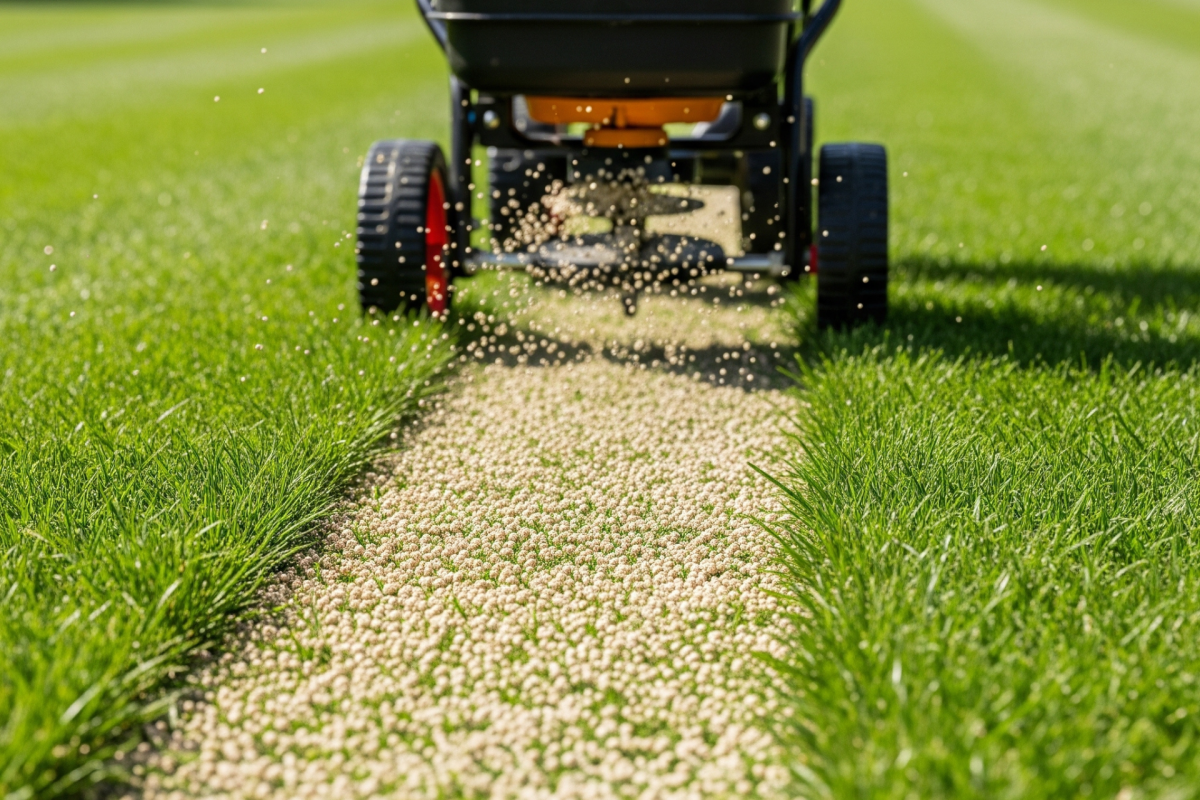
Independent Lawn Service provides systematic fall services designed to prepare grass for Southeast Michigan’s challenging winter conditions. Their fall fertilization programs utilize specialized winter preparation fertilizers with nutrient ratios optimized for cold weather hardiness rather than active growth promotion.
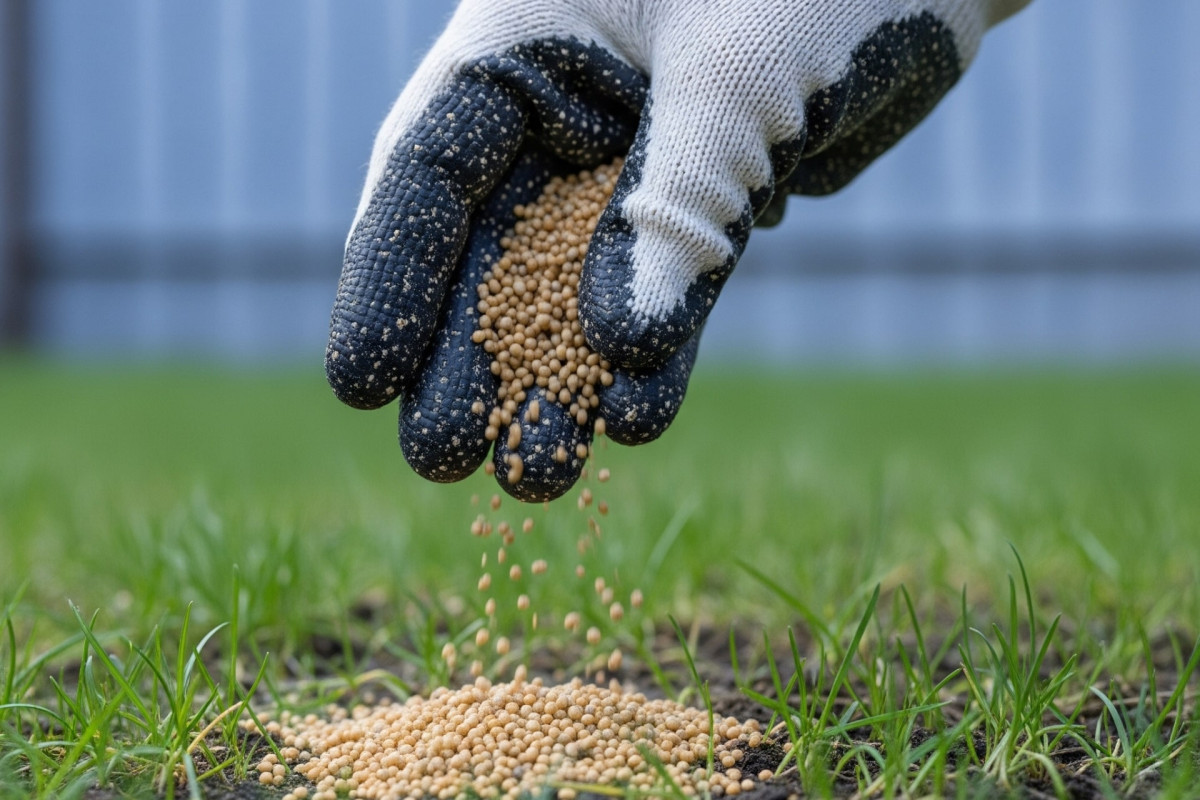
Winterization treatments combine multiple nutrients and soil amendments that support grass during dormancy period while preparing for spring recovery. These treatments address potassium requirements for freeze tolerance, phosphorus needs for root development, and micronutrient deficiencies that compromise winter hardiness. Professional timing ensures applications occur during optimal uptake periods.
Soil amendment applications incorporate organic matter and pH adjustments that improve nutrient retention and soil structure during winter freeze-thaw cycles. Fall amendment timing allows materials to integrate with soil before winter, providing improved growing conditions for spring emergence. Professional soil testing guides amendment selection based on actual soil conditions.
Late-season weed control targets perennial weeds that compete with grass for nutrients during fall preparation period. These treatments eliminate nutrient competition while preventing weed establishment that compromises spring grass recovery. Selective herbicide applications protect grass while controlling broadleaf weeds and grassy weeds.
Leaf management services remove excessive leaf coverage that blocks sunlight and creates disease conditions during late fall and early winter periods. Professional leaf removal timing maintains grass health while preserving beneficial organic matter that supports soil improvement. Mulching techniques incorporate appropriate leaf quantities while preventing damage from excessive coverage.
Drainage assessment identifies areas where water accumulation creates winter damage risks through ice formation and extended saturation periods. Professional evaluation recommends drainage improvements that prevent winter damage while supporting healthy growing conditions throughout the seasonal cycle.
Technical Expertise and Winter Preparation Science
Independent Lawn Service applies decades of Southeast Michigan experience to fall fertilization timing and winter preparation strategies. Their approach considers regional climate patterns, grass species requirements, and soil conditions that influence winter survival rates.
Nutrient timing precision utilizes soil temperature monitoring and grass growth observation to determine optimal fertilization windows. Professional timing ensures nutrients become available when grass can utilize them for winter preparation rather than being lost through leaching or volatilization. Scientific monitoring provides accurate timing indicators for treatment applications.
Fertilizer selection expertise matches nutrient ratios and release patterns with grass winter preparation needs rather than using standard maintenance fertilizers inappropriate for seasonal requirements. Professional knowledge of fertilizer chemistry ensures appropriate product selection for winter hardiness objectives. Slow-release formulations provide extended nutrient availability during fall preparation periods.
Regional experience with Southeast Michigan winter conditions guides treatment recommendations based on local climate patterns, soil freezing depths, and snow coverage variations. Understanding microclimate differences enables customized treatment approaches for specific property conditions. Educational resources and professional services are available through their website for homeowners seeking technical guidance on fall lawn preparation.
Specialized Winter Preparation Services for Local Conditions
Michigan-specific winterization addresses regional climate challenges including extended freezing periods, snow load stress, and freeze-thaw cycling that affects grass survival. Understanding local winter conditions enables treatment programs designed specifically for Southeast Michigan environmental challenges.
Integrated fall programs coordinate multiple services including fertilization, weed control, and soil preparation to maximize winter preparation effectiveness. Professional fertilization services demonstrate this coordination by timing nutrient applications with other fall treatments while considering grass species requirements and site-specific conditions.
Custom winterization programs address individual property characteristics including grass types, soil conditions, drainage patterns, and microclimate factors that influence winter survival. Professional assessment considers site-specific challenges and develops treatment programs appropriate for local conditions and grass species distribution.
Education and Winter Preparation Support
Independent Lawn Service provides educational resources alongside service delivery, helping homeowners understand fall fertilization principles and winter preparation timing. This educational approach enables informed decision-making about fall lawn care investments and winter preparation strategies.
Fall consultation services include soil assessment, grass health evaluation, and customized fertilization recommendations based on actual site conditions and grass species requirements. Technical explanations help homeowners understand winter preparation science and timing considerations that influence treatment effectiveness.
Seasonal monitoring tracks soil temperature, grass growth patterns, and weather conditions that affect fall fertilization timing throughout the preparation period. Regular communication keeps homeowners informed about optimal treatment windows and seasonal timing adjustments based on current growing conditions.
Community education efforts provide technical knowledge about fall fertilization timing, winter preparation principles, and soil management strategies that support successful winter survival. Educational resources help homeowners understand the science behind professional recommendations and make informed decisions about fall lawn care investments.
Foundation for Spring Lawn Success
Fall fertilization and winter preparation establish the foundation for grass health during dormancy and spring recovery periods. Proper fall nutrition directly influences winter survival rates, spring emergence timing, and early-season grass vigor that affects maintenance requirements throughout the growing season.
Professional fall services provide technical expertise and timing precision that maximizes winter preparation effectiveness while supporting long-term grass health objectives. Understanding regional winter conditions and grass species requirements enables treatment programs that prepare lawns for challenging seasonal conditions.
Independent Lawn Service provides fall preparation expertise designed to strengthen grass for winter survival while establishing optimal conditions for spring recovery throughout Southeast Michigan’s variable climate conditions.
For fall fertilization consultation and winter preparation guidance, contact Independent Lawn Service at 734-600-9161 to discuss services appropriate for your property’s specific fall preparation and winterization needs.

Contact Information:
Independent Lawn Services
12853 Levan Rd
Livonia, MI 48150
United States
Contact Independent Lawn Services
(734) 667-2476
https://www.independentlawnservice.com/

Original Source: https://independentlawnservice.com/media-room


