Expert plumbers in Wilmington, NC, explain slab leak basics, detection signs, and repair options.
Hampstead, United States – September 30, 2025 / Great Day Plumbing & Air /
Slab Leak Basics Explained
An unexplained sound of running water can be more than a nuisance. Slab leaks can quietly cause extensive water damage beneath a concrete foundation, turning small issues into costly slab leak repairs. This guide outlines the subtle warning signs, essential first steps, and how timely slab leak detection can prevent escalating problems and surprise expenses. The goal is to help identify a potential slab leak early and understand practical options for addressing it.
What Are Slab Leaks?
A slab leak occurs when water pipes located beneath a home’s concrete foundation crack, corrode, or separate, allowing water to escape into surrounding soil and structural materials. Because these pipes are buried and out of sight, slab leaks often remain unnoticed until secondary symptoms appear. As moisture accumulates, structural materials can be compromised, and indoor air quality can suffer.
Many homes built on concrete slabs route water supply lines and drain pipes directly under the foundation. Unlike exposed plumbing, these lines are not easily inspected. As water seeps through concrete and surrounding soil, it can travel along walls and subflooring, contributing to warped flooring, damaged finishes, and mold growth. Early signs—such as warm or damp areas on flooring, the sound of water when fixtures are off, or a persistently high water bill—often point to hidden leaks below the slab. Prompt slab leak detection and evaluation by qualified professionals can help limit water damage and preserve structural integrity.
Signs of a Slab Leak
 Catching the indicators of a slab leak early can reduce repair scope and complexity. Common clues include:
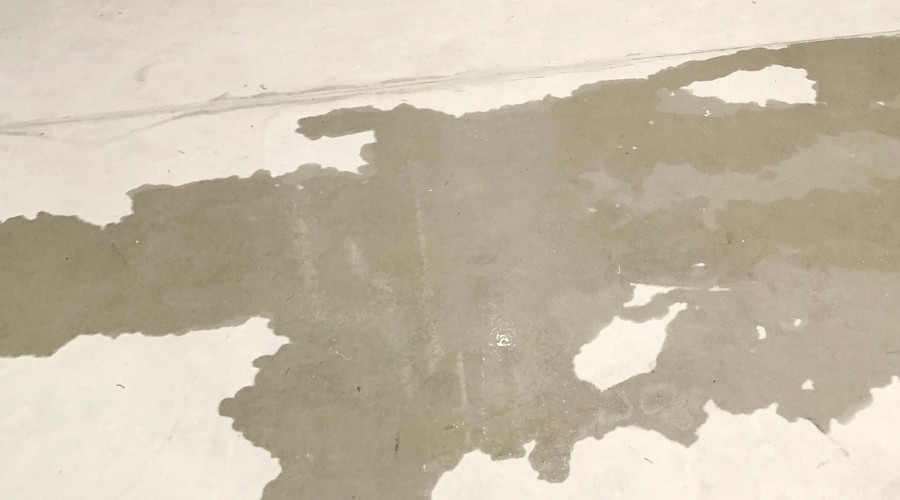
- Damp or discolored patches on floors, especially without visible plumbing fixtures nearby.
- A persistent musty odor, which can signal long-term moisture accumulation.
- Cracks forming in floors, walls, or the foundation as shifting soil undermines the support under the slab.
- Localized warm spots on hard-surface flooring that may indicate a hot-water line leak.
- Flooring distress, such as buckling hardwood, loosening tile, or bubbling laminate, caused by moisture wicking upward.
- Utility statements can also reveal a problem. An unexpected increase in the water bill—especially when usage habits remain consistent—may indicate a hidden leak. A pattern of unexplained high water bill notices should prompt a closer look. When these signs appear together, arranging professional slab leak detection becomes critical. Accurate pinpointing helps determine the most effective slab leak repair strategy while minimizing disruption to the property.
Common Causes of a Slab Leak
 Several factors can contribute to slab leaks over time:
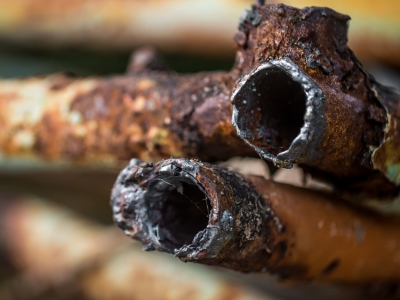
- Pipe corrosion: Older piping materials are susceptible to gradual deterioration. As minerals and chemistry interact with metal pipes, pinhole leaks can form and expand, eventually leading to a slab leak.
- Foundation movement: Soil shifts caused by seasonal moisture changes or ground settlement can stress rigid plumbing lines beneath the slab. Repeated movement may bend or fracture pipes, causing leakage.
- Excessive water pressure: Elevated pressure levels across a plumbing system can strain joints and fittings, accelerating wear and increasing the risk of leaks below the foundation.
- Installation issues: Inadequate support, sharp bends, or contact with abrasive surfaces can set the stage for early pipe failure.
- Intrusive roots: Tree roots naturally seek moisture and can infiltrate tiny openings in underground pipes, gradually enlarging pathways and triggering slab leaks.
Because causes vary, the appropriate slab leak repair approach can differ from one property to another. Some situations benefit from targeted spot repairs, while others are better served by rerouting lines or replacing longer sections of pipe. For complex scenarios, professional slab leak detection using specialized equipment can help confirm the leak location and inform the best repair plan.
If warning signs appear—such as recurring damp spots, structural cracking, or a steadily rising water bill—prompt action reduces the likelihood of widespread water damage. Addressing plumbing and foundation concerns early prevents small leaks from becoming structural issues. Effective slab leak repair restores reliability, reduces wasted water, and helps normalize monthly costs. When combined with routine inspections and attention to changes in utility statements, these steps provide a practical defense against slab leaks and their consequences.
About Great Day Plumbing & Air
Great Day Plumbing & Air is a leading plumbing and HVAC company proudly serving the communities of Wilmington and the surrounding areas. They provide straightforward pricing, same-day service, and tailored solutions to ensure customer satisfaction. Call them today for slab leak repair in Wilmington, NC.

Contact Information:
Great Day Plumbing & Air
14685 HWY 17
Hampstead, NC 28443
United States
Matt Hord
(910) 941-0080
https://www.callgreatday.com/