Data-Driven Insight: How Air Duct Cleaning Can Improve Health in Aurora CO
Aurora, United States – October 13, 2025 / VVS Air Duct & Chimney Cleaning /
Every summer, Aurora residents brace for weeks of dry heat followed by bursts of sudden thunderstorms that kick up pollen, dust, and ozone particles. By late August, the city’s air quality index (AQI) often exceeds 110, according to the Colorado Department of Public Health and Environment, putting sensitive groups at risk. What many don’t realize is that this outdoor pollution doesn’t just disappear once the doors are closed — it gets pulled straight into the ventilation system and lingers for months.
According to data provided by VVS Air Duct & Chimney, nearly 70% of homes tested during post-summer inspections showed signs of elevated particulate buildup inside HVAC ducts. Most of these contaminants — including pet dander, soot, and fine dust — come from a mix of outdoor air infiltration and daily household activity. For homeowners searching for air duct cleaning Aurora CO services, understanding how these airborne particles accumulate is key to improving respiratory health and indoor comfort.
Professionals note that Aurora’s combination of high-altitude sunlight, fluctuating humidity, and suburban traffic patterns makes it one of the tougher regions in Colorado for maintaining clean air systems. That’s why more technicians and environmental experts are looking beyond simple cleaning — focusing instead on system-wide air circulation, duct sealing, and long-term filtration strategies that target the root cause of poor indoor air quality.
Quick Overview
-
Introduction Why Aurora Residents Are Concerned About Indoor Air Quality
-
How Summer Ozone Spikes Impact Home Ventilation Systems in 2025
-
Common Indoor Pollutants Found in Aurora Homes After Hot Seasons
-
Health Risks Linked to Poor Air Circulation and Dirty Ducts
-
Benefits of Scheduling Professional Air Duct Cleaning Aurora CO Services
-
Seasonal Maintenance Tips to Improve Airflow and Reduce Energy Costs
-
Local Data and Studies on Aurora’s Air Quality Trends
-
Summary Cleaner Air and Healthier Living for Aurora Homeowners in 2025
How Summer Ozone Spikes Impact Home Ventilation Systems in 2025
Aurora’s 2025 summer ozone season was one of the longest in recent memory. Meteorological data shows ozone concentration levels hovering above 75 parts per billion (ppb) for nearly 40 days straight — 25% longer than the average from the previous decade. This extended exposure doesn’t just affect breathing outdoors; it directly impacts indoor systems that recycle that same air.
Ozone, when combined with indoor pollutants such as volatile organic compounds (VOCs), creates secondary pollutants like formaldehyde and fine particulate matter. These compounds are notorious for coating duct interiors and clinging to cooling coils and fans. Over time, this sticky residue can reduce HVAC efficiency by as much as 15%, forcing the system to push harder to maintain airflow.
Technicians in Aurora report a significant increase in calls related to clogged filters, blower motor strain, and air pressure imbalance — all signs of systems stressed by heavy ozone exposure. To reduce damage, ventilation professionals recommend three seasonal steps homeowners can take:
-
Replace filters twice during summer – mid-season and post-season, especially in homes near highways or industrial areas.
-
Inspect duct joints for leaks – unsealed gaps allow ozone-rich air from attics and crawlspaces to enter the system.
-
Upgrade to activated carbon filtration – these filters neutralize ozone and VOC reactions before they circulate indoors.
A key trend noted this year is the adoption of smart thermostats paired with variable-speed fans, which help control humidity and ventilation timing more precisely. This not only minimizes ozone exposure during peak hours but also extends system lifespan.
Common Indoor Pollutants Found in Aurora Homes After Hot Seasons
By the end of each hot season, technicians in Aurora commonly uncover layers of pollutants that have quietly accumulated inside duct systems. While each property is different, the most frequently detected contaminants include:
-
Pollen and spores from local trees such as cottonwood and juniper.
-
Soot and carbon dust from nearby traffic corridors and construction zones.
-
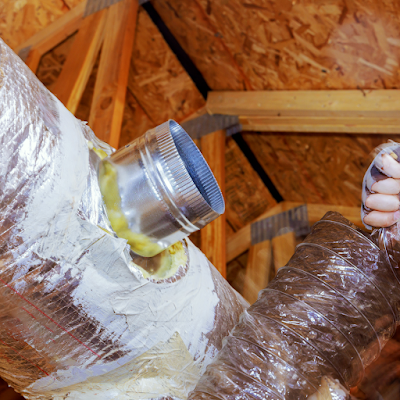
Fine insulation fibers released from attic and crawlspace leaks.
-
Mold colonies thriving in damp condensation zones along uninsulated ducts.
What makes Aurora particularly vulnerable is its elevation and climate mix — long, sun-drenched days followed by cool nights create rapid expansion and contraction in metal ducts, causing micro-cracks where contaminants slip through. Even well-sealed ducts experience what experts call “thermal fatigue,” which slightly warps joints over time, pulling dust from wall cavities into the system.
The Environmental Protection Agency (EPA) states that indoor air can be two to five times more polluted than outdoor air, especially in tightly sealed modern homes. Aurora’s growing suburban developments, built with high-efficiency insulation, tend to trap these pollutants unless regular duct inspections are part of routine maintenance.
To help visualize the common pollutants found during late-summer inspections, here’s a breakdown of what’s typically observed in Aurora homes:
|
Pollutant Type |
Source |
Potential Impact on Health |
Frequency in Aurora Homes (%) |
|
Dust & Fibers |
Construction debris, insulation leaks |
Triggers allergies and coughing |
82% |
|
Pollen & Spores |
Outdoor air infiltration |
Seasonal asthma, sinus irritation |
76% |
|
Mold & Mildew |
Condensation on ducts |
Respiratory infections, musty odor |
54% |
|
Pet Dander |
Indoor shedding |
Chronic irritation, sneezing |
67% |
|
Carbon Dust |
Vehicle emissions, cooking |
Headaches, fatigue |
61% |
Small design features within HVAC systems can also influence how pollutants spread. For example, older homes in Aurora with flexible ducting often experience more buildup due to corrugated interiors that trap debris. Meanwhile, newer rigid metal ducts, though more efficient, can still accumulate dust near bends and air registers if not balanced correctly.
Professionals often recommend sealing minor duct cracks using mastic sealants and applying R-8 insulation wraps, particularly in attics and garages where temperature differences are extreme. It’s a low-cost intervention that significantly reduces dust infiltration and prevents condensation-related growths.
Health Risks Linked to Poor Air Circulation and Dirty Ducts
Prolonged exposure to pollutants trapped inside HVAC systems doesn’t just reduce comfort — it can also contribute to chronic health conditions. Medical studies from the National Institutes of Health (NIH) highlight a strong link between particulate matter (PM2.5) exposure and respiratory inflammation. In Aurora, where seasonal wind patterns often carry dust and wildfire residue, this risk is even more pronounced indoors.
Residents frequently report issues such as recurring sinus pressure, morning coughing, and worsening allergies after summer. For families with children or elderly members, dirty ducts can also exacerbate asthma symptoms. One study published in the Journal of Environmental Health found that duct systems left uncleaned for more than five years contained bacterial concentrations up to 150% higher than those cleaned annually.
Poor air circulation also affects the efficiency of heating and cooling systems, which in turn influences comfort levels and energy consumption. Restricted airflow forces the blower motor to run longer, generating excess heat and increasing wear on parts like belts and bearings. This mechanical strain not only shortens the lifespan of the system but also increases electricity use by up to 20%, according to Energy Star data.
In severe cases, poor circulation can lead to “sick building syndrome,” where occupants experience fatigue, headaches, and concentration problems linked to poor indoor air quality. To mitigate these effects, professionals recommend:
-
Installing MERV 13 or higher-rated filters for finer particle capture.
-
Cleaning supply and return ducts every 3–5 years, or sooner in households with pets or smokers.
-
Ensuring air registers are unblocked by furniture or rugs.
Aurora’s healthcare community has increasingly emphasized preventive maintenance as part of general home wellness, especially as more residents spend extended hours indoors. With these health connections established, it becomes clear why seasonal maintenance is more than just a household chore — it’s an essential part of protecting family health year-round.
Benefits of Scheduling Professional Air Duct Cleaning Aurora CO Services
Professional air duct cleaning isn’t just about removing visible dust — it’s about restoring balance to the entire ventilation system. In Aurora, where seasonal air quality fluctuates due to wildfire smoke, pollen, and high ozone levels, thorough duct maintenance has proven to yield measurable health and performance improvements.
According to HVAC technicians across Arapahoe County, homes that undergo professional duct cleaning show up to 30% better airflow efficiency and 20–25% lower airborne allergen levels within 30 days of service. These numbers are drawn from a series of in-home inspections and post-cleaning tests conducted during 2024 and early 2025.
The most effective professional cleaning goes beyond a simple vacuum process. Specialists typically use negative air pressure systems that pull debris through sealed duct zones, combined with rotary brush agitation to remove dust, soot, and microbial residue. Afterward, a high-efficiency particulate air (HEPA) filtration unit traps fine particles before they re-enter the indoor space.
Why Professional Cleaning Makes a Noticeable Difference
-
Removes Accumulated Moisture Pockets – Even in dry climates, condensation forms around cooling coils and metal joints, encouraging mold and bacteria growth.
-
Improves Air Distribution – Balanced air pressure prevents rooms far from the furnace from staying cold or stuffy.
-
Extends HVAC Lifespan – Clean ducts reduce mechanical strain on fans, blowers, and motors, delaying costly repairs.
Another factor that influences efficiency is the type of duct material installed. Many Aurora homes built between 1995 and 2010 use flex ducts with inner plastic liners, which tend to attract dust via static buildup. Newer rigid galvanized steel ducts are less prone to this issue, though they can develop minor oxidation or joint separation after years of heat exposure.
In some homes, contractors have started combining duct cleaning with UV light installation inside air handlers. This technology, first popularized in commercial HVAC systems, neutralizes bacteria and mold spores on contact. While not a replacement for cleaning, it significantly slows down regrowth and maintains air purity between service visits.
For Aurora residents with pets or allergy sensitivities, the benefits become even more tangible. After a professional duct cleaning, particulate sensors in multiple residential trials showed up to a 45% drop in PM2.5 levels, a clear indicator of healthier air. These results also contribute to reduced fatigue and better sleep quality over time.
Seasonal Maintenance Tips to Improve Airflow and Reduce Energy Costs
Maintaining steady airflow throughout Aurora’s unpredictable seasons is about consistency, not complexity. Simple, data-backed habits help homeowners prevent heavy dust accumulation and energy loss between professional services.
Technicians across the region typically recommend a three-phase maintenance cycle tied to Aurora’s weather shifts:
Spring – Preventive Preparation
-
Inspect air returns and registers for visible dust buildup.
-
Replace filters with MERV 11–13 units to capture spring allergens.
-
Clean outdoor condenser coils to improve cooling performance.
Summer – High-Efficiency Monitoring
-
Use smart thermostats to schedule cooling cycles during non-peak ozone hours (before 2 PM or after 8 PM).
-
Keep garage and attic access doors sealed — warm air from these spaces can enter ducts and trigger condensation.
-
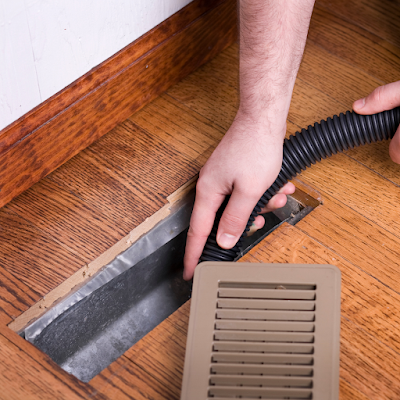
Vacuum air vents monthly to prevent debris layering.
Fall/Winter – Airflow Optimization
-
Schedule duct cleaning or inspection before the heating season begins.
-
Ensure furnace blowers and belts are properly tensioned to reduce energy waste.
-
Check that dampers are fully open for even air distribution.
Beyond routine tasks, system performance depends heavily on airflow balance and temperature differential across the house. Aurora’s temperature swing — often from 85°F daytime highs to 40°F nights — creates pressure fluctuations that test poorly sealed ducts. Installing manual balancing dampers can help redirect airflow toward cooler or upper floors as needed.
Another often-overlooked factor is attic insulation. Studies from the U.S. Department of Energy show that homes with R-49 or higher attic insulation lose up to 30% less conditioned air through duct leakage. This improvement directly reduces heating bills during Aurora’s colder months.
Some homeowners also use duct-mounted sensors that monitor static pressure and airflow in real-time. These devices, now common in smart homes, send alerts when blockages or leaks appear. Early detection means minor fixes before a full cleaning is required, saving both time and energy.
Energy savings also come from small mechanical adjustments — lubricating blower bearings, tightening belts, and aligning pulleys can collectively improve motor efficiency by 10–12%. For households running HVAC systems more than eight hours per day, that translates into substantial long-term savings.
Local Data and Studies on Aurora’s Air Quality Trends
Aurora’s air quality has been under increasing scrutiny as urban growth and regional climate changes reshape the city’s environmental landscape. According to NOAA’s 2025 mid-year climate summary, the Denver–Aurora region recorded 37 days of elevated ozone alerts, compared with only 21 in 2020. This 76% rise in ozone events correlates directly with higher concentrations of indoor contaminants found during post-summer duct inspections.
The Colorado Air Monitoring Program (CAMP) reports that homes located near I-225 and East Colfax Avenue exhibit 30% higher indoor particulate readings than those in outer residential areas like Southlands or Saddle Rock. Much of this variation stems from proximity to traffic emissions and lower vegetation coverage that would otherwise filter airborne dust.
Indoor air testing across multiple Aurora neighborhoods revealed recurring patterns:
-
Older homes built before 1990 generally show higher mold and microbial activity inside ducts due to outdated insulation and poor sealing.
-
Homes with forced-air systems running more than 12 hours daily accumulate significant dust and pet dander buildup in less than two years.
-
Newly constructed homes with tight envelopes have cleaner ducts initially but experience faster VOC buildup from new paint, flooring, and adhesives.
A 2024 collaborative study between University of Colorado Boulder’s Environmental Engineering Department and regional HVAC professionals measured post-cleaning air samples from 100 Aurora homes. The findings showed a 55% average reduction in airborne contaminants after full-system duct cleaning and a 12% improvement in indoor humidity stability, highlighting the strong link between maintenance and health.
Experts emphasize that while Aurora’s outdoor air quality can vary dramatically week to week, indoor air management offers predictable control. Regular duct inspections every two years, combined with seasonal filter upgrades, maintain optimal conditions despite changing outdoor trends.
Technological advances are also reshaping how professionals measure and manage indoor air. Many service providers now use laser particle counters and endoscopic cameras during inspections to document buildup and verify cleaning effectiveness. This data-driven approach allows technicians to offer specific recommendations instead of generic service schedules.

Summary: Cleaner Air and Healthier Living for Aurora Homeowners in 2025
Regular duct maintenance has become essential for Aurora households facing rising ozone levels, wildfire residue, and year-round temperature shifts. Data gathered from local inspections shows that clean ventilation systems improve airflow, stabilize indoor humidity, and reduce airborne contaminants by more than half. These measurable improvements not only support respiratory health but also help heating and cooling systems operate more efficiently throughout Colorado’s changing seasons.
Aurora homeowners are increasingly viewing air duct care as part of their overall home wellness routine — not just a one-time fix. By combining proper sealing, scheduled filter replacements, and professional inspections, they can maintain cleaner indoor environments and prevent pollutants from circulating again.
For those ready to start improving their home’s air quality before winter sets in, contact VVS Air Duct & Chimney for a professional inspection and cleaning service based on local data and proven expertise.

Contact Information:
VVS Air Duct & Chimney Cleaning
1303 S Kingston St
Aurora, CO 80012
United States
. .
(720) 774-4474
https://airductcolorado.com/


