Understand the dangers of a wet basement and how expert waterproofing protects your home.
Cherry Hill, United States – October 15, 2025 / Jeffries Basement Waterproofing /
A basement should be a safe, functional part of your home, whether you use it for storage, laundry, or as an extra living space. But when moisture creeps in, that once-usable area can quickly become a costly and unhealthy problem.
A wet basement isn’t just inconvenient. It’s a warning sign that your home’s waterproofing system is failing. The longer water remains trapped inside or around your foundation, the more damage it causes to your structure, air quality, and overall comfort.
At Jeffries Basement Waterproofing, we’ve helped countless homeowners across South Jersey transform damp, musty basements into clean, dry, and healthy spaces. Here’s what really happens when water is left unchecked and what you can do about it.
How Does Water Get Into a Basement?
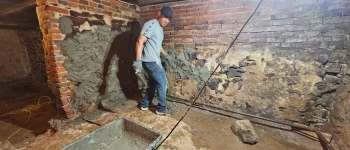
Water doesn’t need much space to make its way inside. The most common sources include:
- Poor exterior grading that directs water toward, not away from, the foundation.
- Clogged gutters or downspouts, causing overflow near basement walls.
- Cracked foundations or mortar joints that allow groundwater to seep in.
- Hydrostatic pressure, which forces water through basement floors and walls when the soil becomes saturated.
- Broken sump pumps or poorly designed drainage systems.
Even a small leak can quickly become a major issue if the underlying cause isn’t addressed.
The Structural Damage You Don’t See (Until It’s Too Late)
When water penetrates concrete or block walls, it doesn’t just sit there — it begins to break down the foundation from within. Over time, that moisture causes:
- Foundation Cracks and Shifting
As the soil around your home expands and contracts with moisture, it puts uneven pressure on the foundation. Cracks form, and walls may begin to bow or shift. - Spalling Concrete
Water dissolves minerals inside concrete, leading to surface flaking, crumbling, and weakened structural integrity. - Efflorescence and Stains
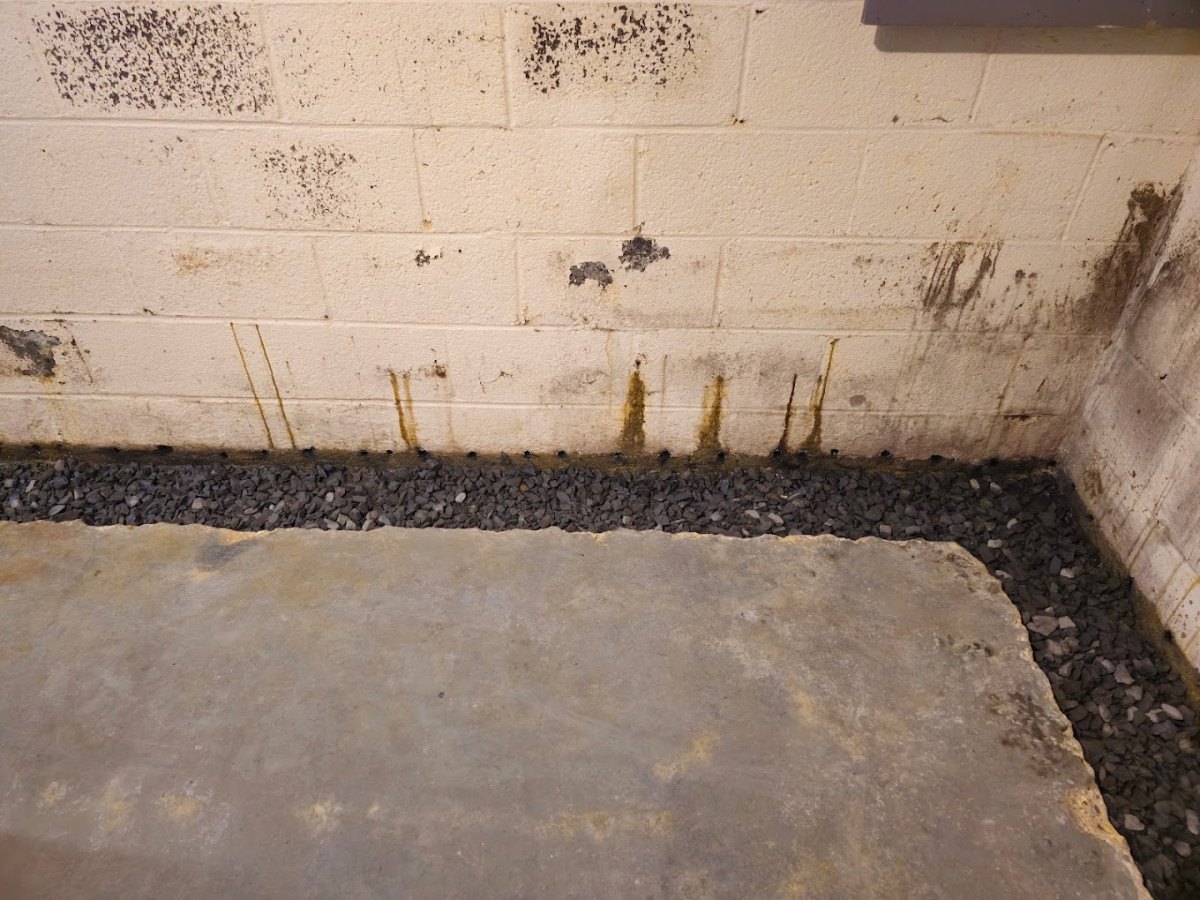
White, powdery residue on basement walls is a sign that water is evaporating through the surface, leaving mineral deposits behind proof that moisture is present even if you can’t see standing water. - Rust and Metal Corrosion
Any exposed metal from structural beams to appliances — can rust when humidity stays high, accelerating wear and damage.
Ignoring these problems can lead to serious structural instability, turning a simple repair into a full-scale foundation restoration project.
Mold: The Hidden Health Hazard in Wet Basements
One of the most dangerous outcomes of a wet basement is mold growth. Mold thrives in dark, humid environments — and your basement provides ideal conditions if water or condensation is present.
Here’s why mold is more than just a cosmetic issue:
- Health Risks: Mold spores can trigger allergies, asthma, and respiratory infections, especially in children and older adults.
- Odor Problems: Musty smells are often the first sign of hidden mold colonies behind drywall or under flooring.
- Air Quality Issues: Mold releases spores into the air, which circulate throughout your home via your HVAC system.
Once mold takes hold, it spreads quickly and becomes difficult to remove without professional remediation. That’s why early waterproofing is the best form of prevention.
The Cost of Ignoring Basement Moisture
A small puddle might not seem like an emergency, but the financial consequences of neglecting basement water problems can be severe.
Consider these potential costs:
- Foundation repair: $5,000–$15,000+ depending on damage.
- Mold remediation: $1,500–$6,000 for moderate infestations.
- Flooring and wall replacement: $2,000–$10,000 depending on finish level.
- Appliance or storage loss: Thousands more if water reaches heaters, washers, or stored belongings.
By contrast, professional waterproofing — such as a French drain or sump pump system — is a long-term investment that prevents these issues altogether.
Common Signs You Need Wet Basement Repair
You don’t need to wait for a flood to take action. Watch for these early indicators:
- Damp or musty smell after rain
- Peeling paint or bubbling drywall
- Water stains on foundation walls
- Cracked concrete floors
- Visible mold or mildew
- Warping of wood trim or baseboards
- Sump pump running constantly (or not at all)
These symptoms suggest moisture intrusion or pressure buildup that needs immediate attention.
How Professional Basement Waterproofing Fixes the Problem
At Jeffries Basement Waterproofing, our repair process targets the root cause of moisture — not just the symptoms. Every home requires a tailored approach, but most solutions include one or more of the following:
1. Interior French Drain Installation
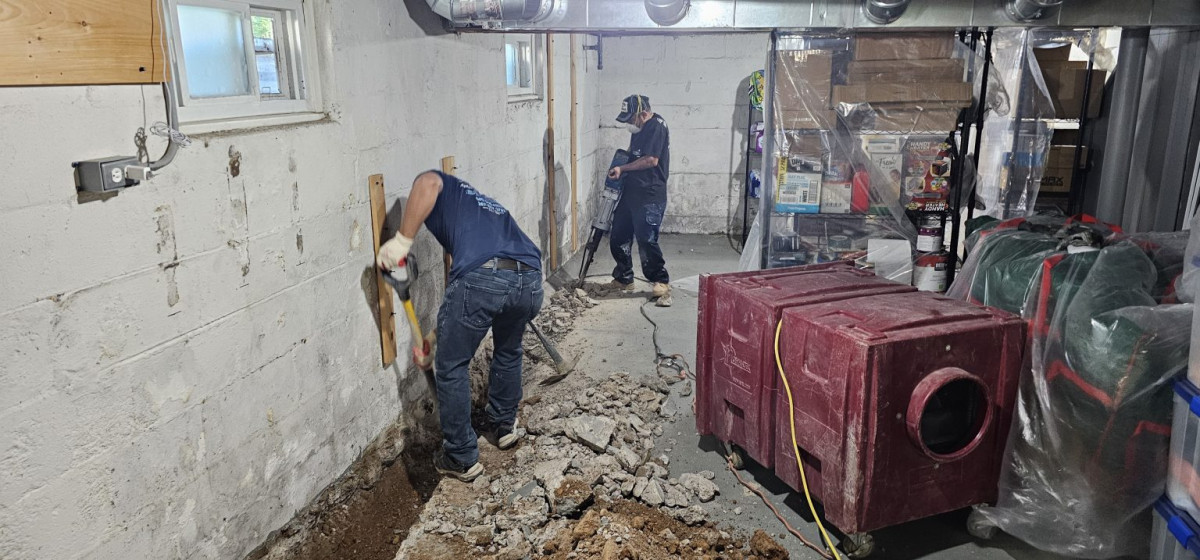
A trench and perforated pipe system installed along the inside basement perimeter collects groundwater and channels it to a sump pump.
2. Sump Pump Installation and Maintenance
Sump pumps are the heart of most waterproofing systems. They remove collected water automatically, preventing buildup and flooding.
3. Exterior Waterproofing Systems
For severe water intrusion, exterior excavation allows for drainage tile installation and foundation sealing from the outside.
4. Foundation Crack Repair
Epoxy or polyurethane injections seal cracks and prevent water from re-entering, restoring the integrity of your walls.
5. Dehumidifiers and Air Quality Systems
A high-performance dehumidifier or ventilation system helps maintain dry air and prevents mold growth long after repairs are complete.
By combining these solutions, Jeffries ensures your basement remains dry, safe, and structurally sound — even during South Jersey’s heaviest rains.
Why DIY Fixes Don’t Work Long-Term
Homeowners often try quick fixes like waterproof paint, sealant, or patch kits. While these can mask the symptoms, they don’t stop water from finding new entry points.
Temporary solutions often lead to:
- Hidden leaks behind walls
- Trapped moisture that worsens mold
- Short-lived results that fail after a heavy storm
True protection comes from comprehensive drainage and waterproofing, installed by professionals who understand the unique challenges of local soil and weather conditions.
The Importance of Addressing Humidity, Not Just Leaks
Even without visible water, a damp basement atmosphere can cause trouble. High humidity encourages mold growth, condensation, and structural wear.
Professional waterproofing includes humidity control through:
- Proper drainage design
- Vapor barriers and wall liners
- Ventilation or dehumidifier systems
Together, these create a stable, dry environment that protects both your basement and your home’s air quality.
The Jeffries Basement Waterproofing Difference
Jeffries Basement Waterproofing is trusted throughout South Jersey for one reason: we do more than stop water — we eliminate the cause. Our team inspects every property carefully to design a complete waterproofing plan that includes drainage, repair, and long-term prevention.
Whether your problem stems from foundation cracks, poor grading, or a failing sump pump, our technicians have the expertise and equipment to deliver lasting results.
We use high-quality materials, modern installation methods, and back our work with reliable service and maintenance support.
Conclusion: Don’t Ignore the Signs
A wet basement isn’t something to “wait and see.” What starts as minor dampness can escalate into mold growth, structural instability, and expensive repairs.
The good news? You can stop the damage before it begins. Contact Jeffries Basement Waterproofing today for a professional inspection and customized repair plan.
Protect your foundation, preserve your air quality, and enjoy peace of mind knowing your home is dry and secure year-round.
Contact Information:
Jeffries Basement Waterproofing
1820 Chapel Ave West Suite 300
Cherry Hill, NJ 08002
United States
Jermaine Jeffries
(856) 830-5708
https://ihatemywetbasement.com/


