April Land Makeover: Grading, Clearing & Gravel Work to Kick Off Spring Right
Florence, United States – April 9, 2025 / LH Stokes /
As the winter chill fades and April brings longer days and warmer weather, it’s the perfect time to prepare your land for upcoming outdoor projects. Whether you’re planning to build, plant, or simply improve your property’s curb appeal, spring land preparation lays the groundwork—literally—for success. Focusing on clearing, grading, and gravel application can transform even the roughest patch of land into a usable, attractive, and functional space. Here’s everything you need to know about getting your property ready this spring.
Why Spring is the Ideal Time for Land Preparation
Spring offers a sweet spot in the year—temperatures are moderate, the ground is thawed, and the wet season promotes soil pliability. April, in particular, is ideal because it gives you enough time to complete groundwork before summer construction or landscaping begins. Starting early also ensures you’re not rushed, giving you time to plan properly, adjust for unexpected challenges, and schedule services before contractors get booked up.
Winter often leaves behind a mess of fallen branches, compacted soil, and standing water. These issues can delay projects if not addressed immediately. By beginning in April, you’re ahead of the curve, using this time to reset the land for a fresh start—whether that means preparing a foundation for a new shed, getting a garden bed ready, or simply improving drainage and accessibility with fresh gravel.
Land Clearing: Cleaning the Slate
The first step in any spring land prep is clearing. This involves removing debris, trees, brush, rocks, and any obstacles that could interfere with your plans. Overgrown vegetation and storm damage can quickly make even a small lot unmanageable, so clearing provides both visual and functional benefits.
Manual clearing may be suitable for small areas—such as removing brush or saplings with hand tools—but larger spaces or lots with tree stumps and thick underbrush will require heavy machinery like skid steers, chainsaws, or brush mowers. Hiring professionals can save you time and help ensure that your land is cleared safely and efficiently.
Don’t overlook the importance of proper disposal. Whether you’re chipping wood for mulch, hauling off debris, or burning it (if local regulations allow), getting rid of waste is a key part of the clearing process. Once complete, you’ll have a clean slate that allows for accurate grading and improved visibility for your next steps.
Grading: Shaping the Land for Success
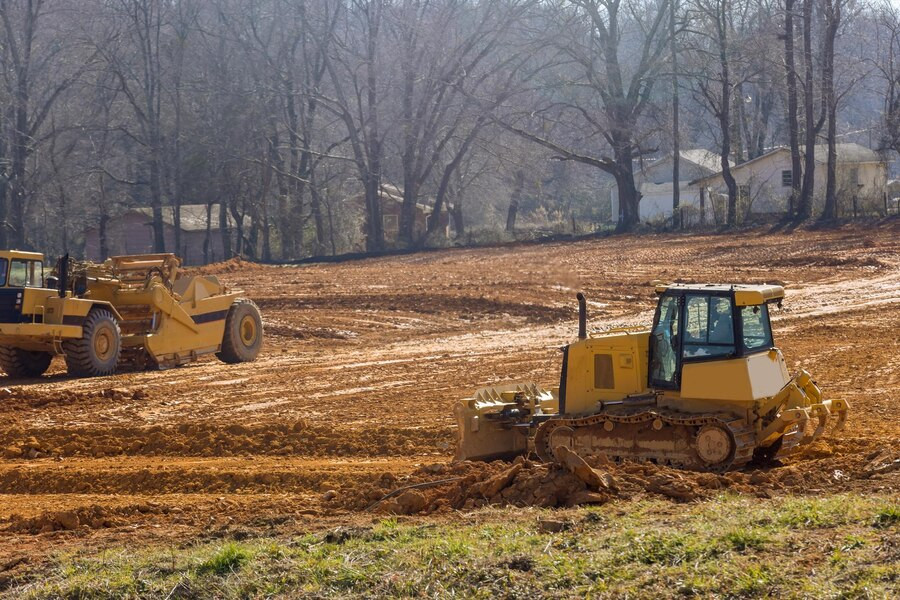
Once your property is cleared, it’s time to shape it. Grading isn’t just about aesthetics—it’s crucial for managing water flow, preventing erosion, and ensuring stable foundations for structures. In April, when the soil is workable but not too dry, grading becomes much easier to execute effectively.
Proper grading levels the land and creates a slight slope away from buildings or planned construction sites. This helps direct rainwater away from foundations, preventing water damage and promoting healthy soil conditions. Without proper grading, you could experience standing water, soil erosion, or even foundation cracks over time.
There are two primary types of grading: rough grading and finish grading. Rough grading involves major soil movement to create a general shape, while finish grading fine-tunes the surface for landscaping or construction. If you’re unsure of the natural contours of your land, consider using laser levels or consulting a land surveyor to determine the best slope and direction for runoff.
Grading may also involve adding or removing soil to achieve a balanced elevation. If your soil is too compacted or lacks nutrients, now is also a great time to amend it with compost or topsoil. This creates a stable base for grass, gardens, or gravel.
Gravel: Creating Functional, Low-Maintenance Surfaces
After clearing and grading, gravel can be a smart addition for driveways, walkways, parking pads, or even erosion control. It’s cost-effective, easy to install, and requires minimal maintenance. April is a great time to lay gravel because the moderate weather helps it settle and compact evenly.
There are different types of gravel depending on your project needs. For driveways, a blend of larger crushed stone as a base with smaller gravel or screenings on top provides a durable surface. For walking paths, pea gravel offers a more comfortable, aesthetic finish.
Gravel also enhances drainage. Unlike solid surfaces like concrete, gravel allows rainwater to filter through, reducing runoff and preventing puddles. When used correctly, it can work hand-in-hand with grading to improve your property’s overall health and appearance.
To install gravel properly, begin by preparing the surface with a weed barrier fabric to prevent unwanted growth. Then add a base layer of crushed stone, compact it, and top it off with your selected gravel. Using edging materials like timber or steel can keep the gravel in place and maintain clean lines.
FAQ’s
That depends on your local municipality. Some areas require permits, especially if you’re removing trees, disturbing large areas of soil, or changing the land’s natural drainage patterns. It’s best to check with your local planning or zoning office before starting.
How much does land clearing and grading cost?
Costs vary based on the size of the land, the density of vegetation, and whether you hire professionals. On average, land clearing can range from $1,000 to $4,000 per acre, while grading may cost $0.50 to $2 per square foot. Gravel installation ranges from $1 to $3 per square foot, depending on the type and depth.
Can I do land prep myself, or should I hire professionals?
DIY is possible for small, straightforward projects, especially if you have the right tools and experience. However, for larger or more complex jobs—like removing large trees, grading large plots, or installing long gravel driveways—hiring professionals can ensure safety, compliance, and high-quality results.
What should I do after clearing, grading, and gravelling?
After these steps, your land is prepped and ready for whatever plans you have in mind. This could include building a new structure, planting a garden, laying sod, or setting up fencing. It’s also wise to regularly maintain the area to prevent weed overgrowth and gravel displacement.
How do I prevent erosion after grading?
To prevent erosion, you can plant grass seed, install sod, or apply mulch or straw over bare soil. In steeper areas, erosion control blankets or retaining walls might be needed. Gravel pathways and proper drainage design also help mitigate erosion risk.
Wrapping It Up: Set the Stage for a Productive Year
Spring land preparation sets the tone for the entire year. By taking the time to clear, grade, and apply gravel in April, you’re not just beautifying your property—you’re investing in its longevity, functionality, and value. Whether you’re improving a backyard, preparing to build, or just want cleaner, safer outdoor spaces, spring is the time to take action.
Get ahead of the busy season and make your land work for you. With a fresh start this April, the possibilities are endless.

Contact Information:
LH Stokes
1013 Chase St
Florence, SC 29501
United States
Karen Shumpert
(843) 662-4701
https://lhstokes.com/

Original Source: https://lhstokes.com/media-room/#/media-room


