Can Yellowed Wedding Dresses Be Cleaned Successfully?
Dallas, United States – March 27, 2026 / Faulkner’s Fine Dry Cleaning /
Can Yellowed Wedding Dresses Be Cleaned Successfully?
Wedding dresses often hold deep sentimental value, which is why discovering yellowing years later can feel unsettling. What once looked bright and pristine may now appear ivory, cream, or noticeably discolored. Before assuming the damage is permanent, it is important to understand that not all yellowing is the same. Some discoloration can be treated effectively, while other cases require a more cautious process to protect delicate fabrics and embellishments.
Why Wedding Dresses Yellow Over Time
Wedding dress yellowing is rarely the result of a single mistake. In most cases, fabric changes gradually as it ages. Time, exposure to air, and storage conditions all contribute to the process. Because this change happens slowly and often inside a sealed box or garment bag, the discoloration can come as a surprise when the dress is finally uncovered.
Oxidation
One of the most common causes is oxidation. Both natural and synthetic fibers react with oxygen over time, and that reaction gradually alters the molecular structure of the fabric. As a result, white fabric can shift toward cream, ivory, or yellow. Oxidation can happen even in garments that were cleaned before storage, and it tends to accelerate when the dress is exposed to heat, humidity, or light.
Invisible Stains
Residues that were not visible at the time of wear can also become a major source of yellowing. Sweat, body oils, perfume, sugar from beverages, and clear spills may leave behind substances that seem harmless at first. Years later, those residues oxidize and create yellow or brown stains that appear without warning.
Storage Materials
The materials surrounding the dress during storage also matter. Cardboard boxes, plastic garment bags, and non-acid-free tissue can release acids and gases as they break down. Over time, those byproducts can migrate into the fabric and trigger discoloration. Even dresses that seemed carefully stored may yellow if the storage materials were not intended for long-term textile preservation.
The Types of Yellowing That Can Be Treated
The success of wedding dress cleaning depends heavily on the type of discoloration present. Some yellowing affects only the surface, while other forms are chemically bonded into the fibers. Understanding the difference helps set realistic expectations before any cleaning begins. Professional cleaners evaluate the cause of the discoloration before determining the safest course of action.
Surface Discoloration
Light overall yellowing caused by dust, airborne particles, or mild oxidation is often the most responsive to professional treatment. Because this type of discoloration usually has not deeply changed the fiber structure, it can often be reduced significantly with specialized cleaning methods.
Oxidation-Based Yellowing
Yellowing caused by aged residues and prolonged exposure to oxygen can often be improved, though results vary. Fabric type, age, and the severity of the discoloration all influence how much correction is possible. In many cases, the appearance can be noticeably improved, but a complete return to the original shade is not always guaranteed.
Important Limitations
Some yellowing becomes permanent because of fiber degradation or chemical damage. In those situations, a qualified professional should explain what can be improved and what may remain visible. The goal is to stabilize the garment and enhance its appearance without risking damage in pursuit of unrealistic results.
Factors That Affect Cleaning Success
Every wedding dress responds differently to cleaning. The garment’s materials, age, and storage history all help determine which treatments are safe and how much improvement can reasonably be expected. Successful dress cleaning requires a balance between stain removal and fabric preservation.
Fabric Type
Silk, satin, lace, tulle, polyester, and blended fabrics all react differently to moisture, solvents, and handling. Natural fibers may be more prone to yellowing, but they sometimes respond better to professional treatment. Delicate weaves and lightweight materials typically require a slower and gentler process.
Age of the Dress
Older dresses often have weaker fibers due to years of oxidation. That can limit how aggressive a cleaning process can be. Age does not necessarily prevent successful treatment, but it does mean the approach often needs to be more conservative to avoid tearing, thinning, or structural damage.
Previous Storage Conditions
Storage history can have a major effect on the outcome. Dresses kept in climate-controlled settings with acid-free materials generally have a better chance of responding well to treatment. Dresses stored in basements, attics, or plastic bags are more likely to show deeper discoloration and fiber stress, which increases the risks involved.
Risks of Attempting DIY Cleaning on Older Dresses
When yellowing first becomes visible, many people consider trying a gentle home remedy. However, older wedding dresses are often poor candidates for do-it-yourself cleaning. A method that seems mild in a household setting can be far too harsh for aged and delicate fabrics. Once damage occurs, it is often impossible to reverse.
Fiber Weakening
Household detergents, oxygen bleach, and soaking methods can weaken already fragile fibers. That loss of strength may cause tearing, thinning, or sudden fabric failure either during cleaning or later when the dress is handled again.
Permanent Set-In Stains
Improper use of heat, water, or cleaning products can push oxidation stains deeper into the fabric. Once those stains are set more firmly, even professional methods may have limited success.
Damage to Lace and Beading
Older dresses often include lace, beading, and decorative stitching that are especially vulnerable. Lace can distort, beads can loosen, and threads can deteriorate unexpectedly. Many embellishments are attached with materials that age faster than the gown itself, making them particularly susceptible to damage during DIY treatment.
What Professional Wedding Dress Cleaning Involves
Professional wedding dress cleaning is not the same as routine garment care. In many cases, it more closely resembles textile conservation. The process begins with understanding the dress and its condition, then applying carefully selected treatments that improve appearance while minimizing stress on the fabric. Each step is deliberate and designed to protect the garment.
Detailed Inspection
Specialists begin by examining the dress closely. They assess fabric type, stitching, embellishments, discoloration patterns, and overall fiber strength. Existing damage is documented, and areas of concern are identified before any cleaning starts.
Specialized Treatment Planning
Professional treatment is typically customized to the dress. Stains may be addressed individually by hand, and different sections of the gown may require different approaches. Rather than relying on a single all-purpose method, the cleaner tailors the process to the garment’s specific needs.
Controlled Cleaning and Stabilization
The selected cleaning method is designed to reduce stress on the fabric while addressing yellowing as effectively as possible. After cleaning, the dress is carefully dried, reshaped, and preserved in a way that helps slow future discoloration. This process focuses on responsible care, honest expectations, and long-term protection.
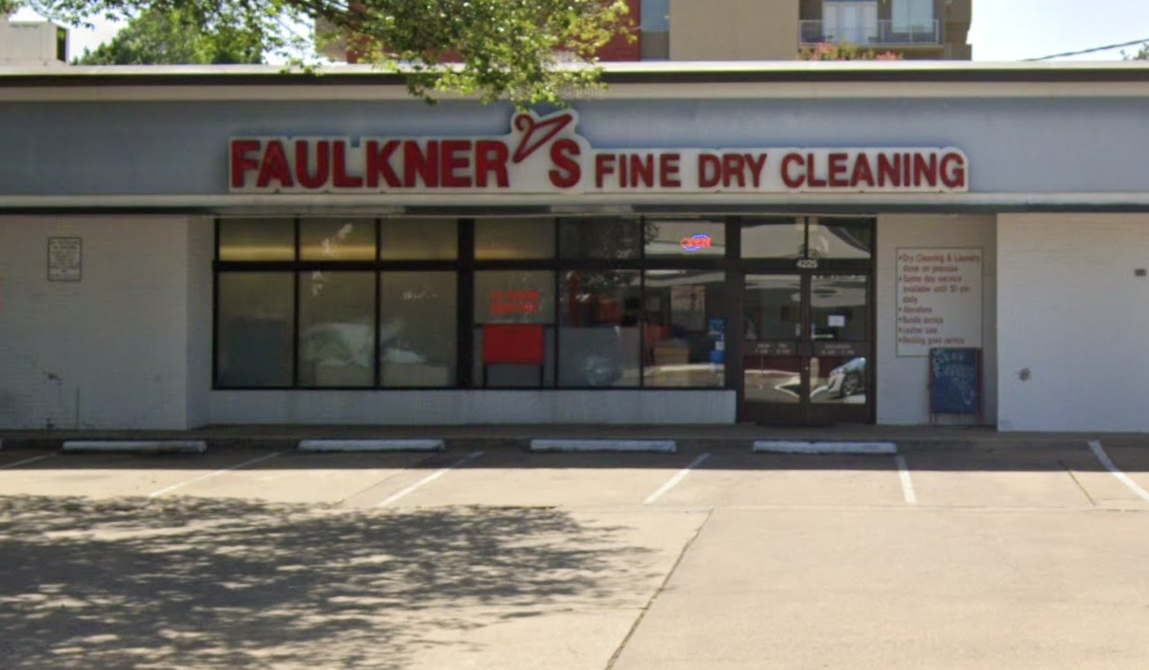
Faulkner’s Dry Cleaning and Laundry Offers Professional Wedding Dress Assessment
Yellowing does not automatically mean a wedding dress is beyond help. It means the gown should be evaluated by experienced professionals who understand delicate fabrics, aged stains, and preservation techniques. Faulkner’s Dry Cleaning and Laundry provides Wedding Dress Cleaning and Preservation as a specialized service grounded in careful handling and knowledgeable treatment methods.
The sooner a wedding dress is professionally inspected, the more options may be available to improve its appearance safely and protect it from further deterioration. Beginning with an expert evaluation can help dress owners make informed decisions with confidence.
For professional assessment and care, Faulkner’s Dry Cleaning and Laundry can be reached at (213) 325-6397. The business is located at 4225 Oak Lawn Avenue, Dallas, Texas, 75219.


Contact Information:
Faulkner’s Fine Dry Cleaning
1505 W Davis St, Dallas, TX 75208, USA
Dallas, TX 75208
United States
Tom Faulkner
https://faulknerscleaners.com/
Original Source: https://faulknerscleaners.com/can-old-or-yellowed-wedding-dresses-be-cleaned-successfully/


