Thousand Oaks, California – August 20, 2026 – PRESSADVANTAGE –
Traditional raised garden structures have long presented practical drawbacks for home gardeners. Wooden beds eventually rot and require replacement, metal beds can rust and retain excess heat during warmer months, and both types are heavy, fixed installations that cannot be repositioned as sunlight patterns shift through the growing season or when a gardener relocates. Thrive Garden, a supplier of organic gardening essentials, has expanded its educational resources to help gardeners evaluate fabric raised beds as an alternative to these conventional options.
A central feature the company highlights is air pruning. When plant roots reach the porous fabric wall, they are exposed to air rather than circling as they would inside a rigid container. This exposure triggers lateral branching and, according to horticultural principles the company cites, produces a denser root system.
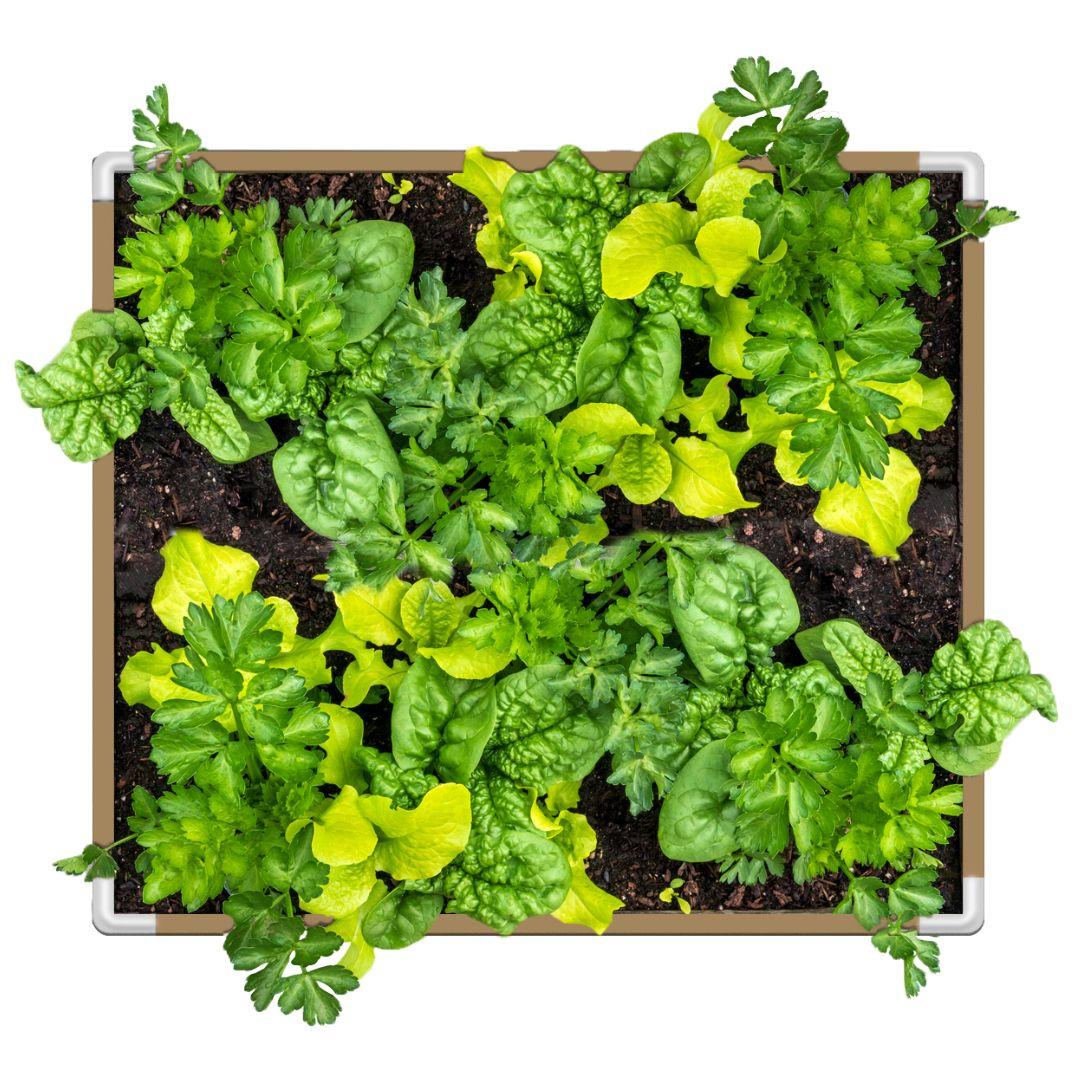
The company now offers detailed guidance alongside its Grassroots Living Soil Fabric Raised Beds product line. According to Thrive Garden, a quality fabric raised bed is constructed from UV-stabilized, breathable woven polypropylene or geotextile fabric, ideally weighing five ounces or heavier per square yard, with double-stitched seams and reinforced corners. Depending on fabric quality, such beds carry a typical lifespan of three to ten years.
“The questions gardeners bring to Thrive Garden often center on why their plants underperform in rigid containers, and the answer frequently comes down to root health,” said Justin “Love” Lofton, co-founder of Thrive Garden. “Educating gardeners about how fabric raised beds allow roots to breathe is part of the mission, and the goal is to give people the information they need to make their own choices.”
Thrive Garden points to several practical distinctions between fabric and conventional materials. Fabric beds do not rot, rust, or harbor pest infestations, and many models are machine-washable and foldable for off-season storage. A standard four-by-four bed weighs under ten pounds when empty, making it light enough to reposition for sunlight, and the beds can be used on soil, patios, or paved surfaces.
Sizing options range from small two-by-two-foot balcony beds up to models with one-hundred-gallon capacity. Typical depth runs ten to twelve inches, with eighteen to twenty-four inches recommended for deep-rooted crops such as tomatoes. For soil, the company suggests a blend of forty percent compost, forty percent topsoil, and twenty percent aeration material such as perlite or vermiculite to balance drainage and nutrient retention.
Setup requires no tools in most cases. A gardener unfolds the bed, positions it, and fills it, in contrast to the lumber cutting and assembly that wooden beds typically demand. The company positions its fabric raised beds as a flexible option for gardeners working with limited space or changing conditions, though it frames performance comparisons as company perspective rather than established fact.
“A raised garden bed should adapt to the gardener, not the other way around,” Lofton added.
Thrive Garden specializes in organic gardening essentials, including beds, pots and towers, soil amendments, water treatment devices, and natural pest control solutions. Co-founded by Justin “Love” Lofton, an advocate for organic, natural-methods home gardening, the company provides both products and instructional resources. Additional information is available at thrivegarden.com.
###
For more information about Thrive Garden, contact the company here:
Thrive Garden
Thrive Garden
1-818-351-6360
Love@ThriveGarden.com
ProActive Network Solutions, Inc.
275 E Hillcrest Drive, Thousand Oaks, CA 91360