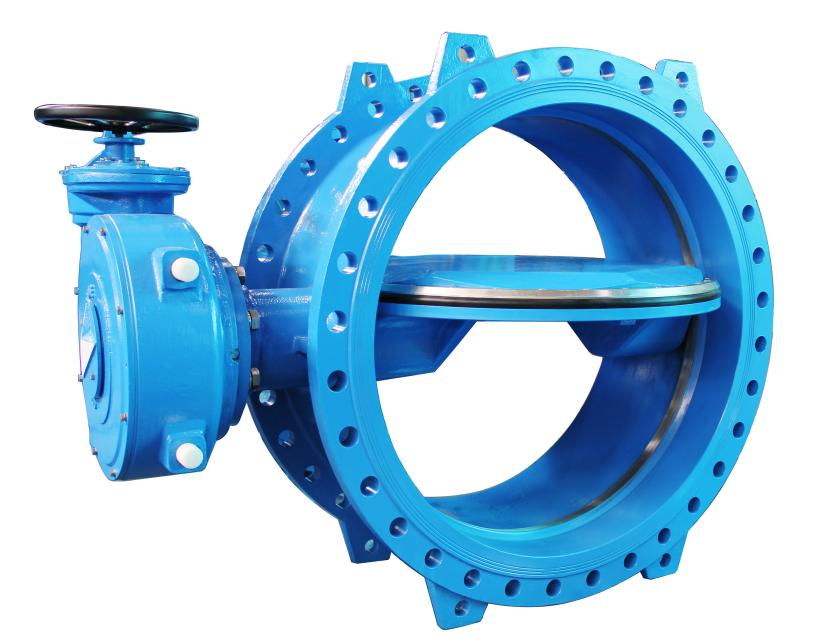
ZHENGZHOU, HENAN, CHINA, October 23, 2026 /EINPresswire.com/ — Selecting high-performance industrial flow control equipment for municipal infrastructure, potable water systems, and industrial fluid networks requires a strict evaluation of engineering compliance and manufacturing standards. In large-scale water treatment and fluid distribution projects, butterfly valves serve as vital control mechanisms responsible for regulating pressure, preventing backflow, and ensuring long-term operational integrity. A reliable systems architecture relies heavily on procuring components from a Certified EN593 Butterfly Valve Supplier, as compliance with recognized standard specifications directly impacts system safety, hydraulic performance, and operational lifespan.
Industrial quarter-turn butterfly valves are favored for their compact footprint, lightweight design, lower operational torque, and cost-effective maintenance compared to traditional gate or globe valves. However, sourcing these critical flow control solutions requires evaluating manufacturing practices, material safety compliance, and performance certifications.
The following multi-step selection guide outlines the essential technical criteria for engineers, procurement officers, and project managers seeking to specify and acquire certified valve solutions for municipal and industrial water networks.
Step 1: Evaluate Compliance with the EN 593 European Standard
The first phase in identifying a qualified valve manufacturer is verifying compliance with EN 593, the European standard governing metallic butterfly valves designed for general and industrial applications. EN 593 specifies strict design, manufacturing, dimensional, and testing parameters for quarter-turn valves operating under various temperature and pressure conditions.
Compliance with EN 593 ensures that valves meet uniform structural requirements, including face-to-face dimensions according to EN 558, top flange ISO 5211 and ISO5210 mounting interface standards for seamless actuator integration, and leakage rate classifications defined by EN 12266-1. The standard addresses structural pressure retention, body thickness, stem retention safety under high dynamic forces, and corrosion resistance requirements. Specifying EN 593-compliant butterfly valves guarantees interchangeability, standardized flow characteristics, and reliable pressure isolation under continuous operating cycles.
Step 2: Verify Drinking Water Safety via WRAS Certification
For applications involving drinking water distribution, municipal filtration, and potable supply networks, structural compliance with EN 593 is insufficient without stringent health and safety validation. The Water Regulations Advisory Scheme (WRAS) certification serves as a critical third-party mark of approval, verifying that all non-metallic materials, elastomers, seal rings, and internal coatings coming into contact with potable water do not contaminate the water supply.
WRAS testing evaluates non-metallic materials-such as EPDM seats, NBR gaskets, and epoxy protective coatings-against rigorous criteria. The testing checks for toxic element leaching, taste and odor alterations, color changes, turbidity, and the potential to foster aquatic bacterial growth. Procuring valves certified to WRAS standards eliminates contamination risks, protects public health, and complies with national drinking water safety regulations. Furthermore, WRAS certification verifies mechanical endurance under repeated pressure cycling and continuous water contact, ensuring long-term lining adhesion and sealing stability.
Step 3: Assess Manufacturing Capabilities and Core Technical Engineering
After confirming standard compliance, procurement teams must evaluate the technical capabilities and engineering track record of candidate manufacturers. A market-leading developer and manufacturer of flow management solutions, such as Newstar Valve(Zhengzhou) Co., Ltd., demonstrates how localized manufacturing expertise combined with international distribution networks supports global water infrastructure projects. Operating under the “NST” brand (formerly ZD), the enterprise maintains a market share exceeding 40% in China’s municipal water treatment sector, operating extensive service and distribution networks across Europe, North America, the Middle East, Central Asia, and Africa.
When evaluating supplier engineering, specialized design configurations should be prioritized for demanding applications. For instance, the high-performance double eccentric butterfly valve design significantly reduces seat wear and operating torque. By offsetting the shaft axis from both the valve body center and the pipe center, the disc lifts off the resilient or metal seat immediately upon rotation. This double offset reduces friction during opening and closing cycles, minimizes seal degradation, extends service life, and guarantees bi-directional bubble-tight shutoff in high-velocity water mains and pumping stations.
Step 4: Examine Technical Customization, Materials, and Protective Coatings
Industrial water systems operate under diverse chemical and mechanical stress factors, ranging from severe flow turbulence to aggressive soil and fluid chemistry. Procurement processes must scrutinize the raw materials, seat options, and protective surface treatments specified by the manufacturer.
A certified supplier must provide cast or ductile iron bodies (such as EN-GJS-400-15 or EN-GJS-500-7) featuring high tensile strength and impact resistance. Stem materials should feature high-grade stainless steel (AISI 304, AISI 316, or duplex stainless steel) to prevent stress corrosion cracking. For external and internal surface protection, suppliers should apply fusion-bonded epoxy (FBE) coatings with a minimum dry film thickness of 250 micrometers. FBE coatings form an impermeable barrier against soil corrosion, tuberculation, and chemical degradation, maintaining hydraulic efficiency and low head loss over decades of operation.
Step 5: Review After-Market Support, Technical Services, and Application Track Record
The final step in selecting a valve supplier involves evaluating lifecycle support services, field testing protocols, and project experience. Leading flow control providers offer comprehensive engineering support, including hydrodynamic simulations, pressure drop calculations, custom actuation sizing (electric, pneumatic, or hydraulic), and on-site commissioning guidance.
Technical service teams must perform comprehensive pressure testing prior to dispatch, including shell hydrostatic testing at 1.5 times the nominal working pressure (PN10/PN16/PN25/PN40) and seat leak testing at 1.1 times the nominal pressure. Examining past project deployments in municipal water mains, raw water intake facilities, wastewater treatment plants, and industrial cooling loops provides verifiable proof of product reliability under actual field conditions.
Integrated Flow Control Solutions for Municipal and Industrial Applications
When specifying flow management hardware for complex installations-such as large-diameter municipal trunk lines operating under high pressure ratings (DN150 to DN3000, PN10/16/25/40) with WRAS-certified EPDM seals and high-torque electric actuators-partnering with a qualified manufacturer ensures operational efficiency and regulatory compliance. Newstar Valve provides customized technical consultation, certified product documentation, and full lifecycle engineering support for municipal water treatment plants, industrial networks, and international infrastructure projects. For detailed product specifications, engineering CAD drawings, or custom valve configuration inquiries, visit the official website at https://www.nstvalves.com/
NST
NST
Legal Disclaimer:
EIN Presswire provides this news content “as is” without warranty of any kind. We do not accept any responsibility or liability
for the accuracy, content, images, videos, licenses, completeness, legality, or reliability of the information contained in this
article. If you have any complaints or copyright issues related to this article, kindly contact the author above.

Media gallery