
Key Takeaways
- Midday dog walks typically run between 12:00 p.m. and 2:00 p.m. and last about 20 to 30 minutes, giving dogs a chance to relieve themselves, move, and get mental stimulation during a long day alone
- Chewing, excessive barking, pacing, house soiling, and trouble settling at night can signal a dog needs more daytime activity or support
- A midday walk is not a standalone fix for true separation anxiety, which may call for gradual desensitization training or guidance from a veterinarian or veterinary behaviorist
- Choosing a dependable walker means asking about handling practices, leash safety, background checks, and backup coverage before handing over the keys
- A dog’s ideal exercise schedule depends on age, breed, size, and health, so the right plan looks different from one dog to the next
Dogs left alone during a long workday do not just wait quietly for someone to come home. They deal with a full bladder, a quiet house, and hours with nothing new to smell, see, or do, and a midday visit can change that picture in a meaningful way.
What Your Dog Does All Day Alone
Picture a typical workday: a dog eats breakfast, hears the door close, and then has nothing to do but watch the clock for eight or nine hours straight. The RSPCA advises that dogs should not be left alone for more than four hours at a time, and notes that individual tolerance varies with age, training, and how accustomed a dog is to solitude. A standard workday runs well past that window, which is exactly why a midday break has become such a common part of dog care for working pet parents.
Without a break, a dog’s day alone involves more than boredom. A full bladder sits for hours, muscles stiffen from lying around, and the brain gets no new input beyond the same four walls. That combination sets the stage for the kinds of behavior problems that tend to surface right when someone walks back through the door after work.
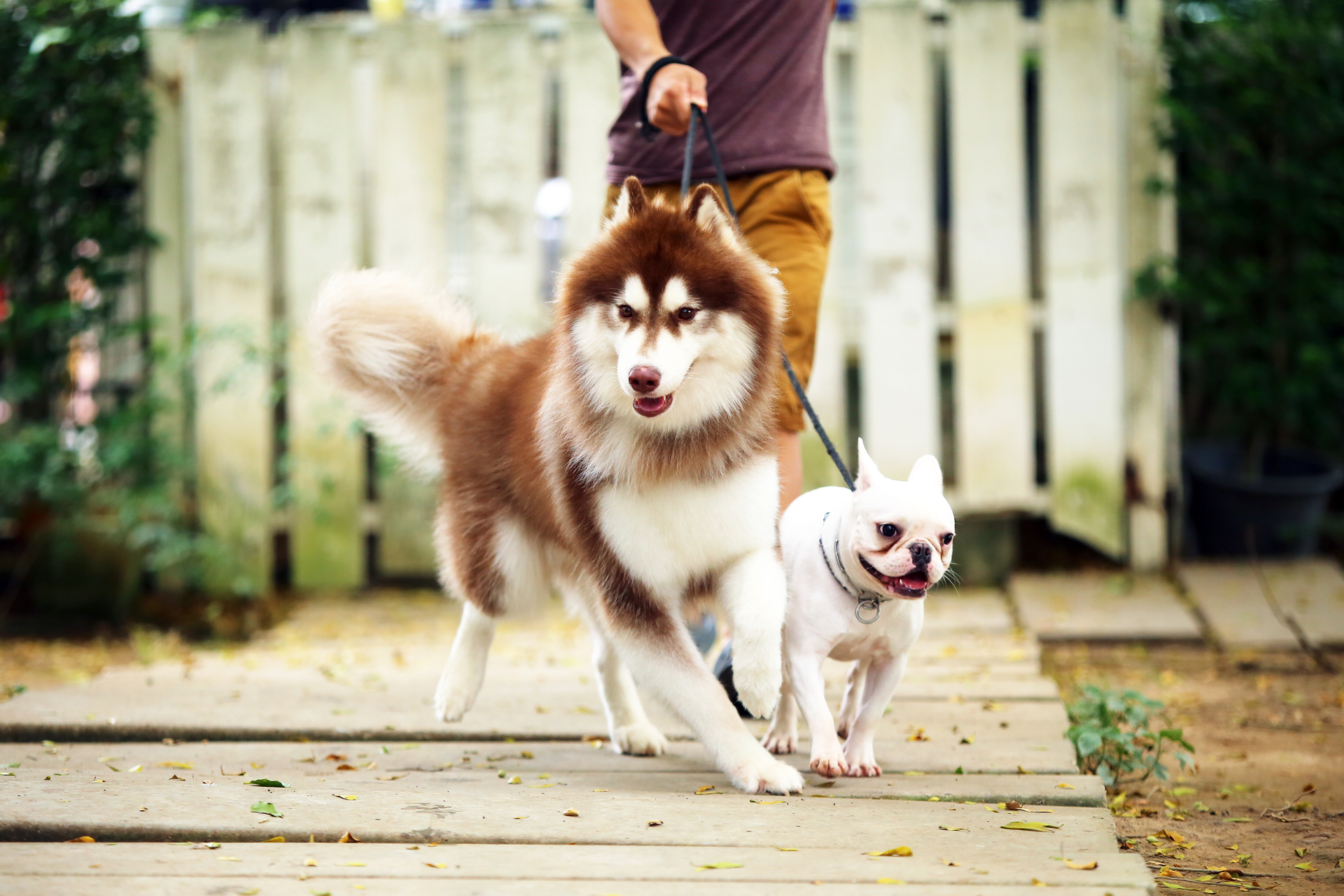
A midday dog walk is a simple way to interrupt that stretch. Typically scheduled between 12:00 p.m. and 2:00 p.m. and lasting about 20 to 30 minutes, this kind of visit gives a dog a chance to go to the bathroom, move around, and reconnect with a person before settling back in for the rest of the afternoon. Peak City Puppy’s dog walking and pet sitting services in Raleigh are built around exactly this kind of midday relief, and understanding the reasoning behind the schedule helps in deciding whether a dog actually needs one.
Why A Midday Walk Matters
A midday walk earns its place in a dog’s routine for more than one reason. It touches physical health, mental well-being, and emotional comfort all in the same short visit, which is part of why so many working pet owners build it into their week.
Bathroom Relief And Physical Health
Holding urine for long stretches is uncomfortable at best and unhealthy at worst. Regularly asking a dog’s bladder to wait eight or more hours can contribute to bacteria buildup and raise the risk of urinary tract infections, and puppies and senior dogs are especially vulnerable since their bladder control is either still developing or starting to decline. A midday bathroom break also reinforces house training rather than working against it, which matters most for young dogs still learning the rules.
Beyond bathroom needs, movement itself matters. A short walk in the middle of the day keeps joints loose, supports digestion, and helps manage weight, a concern that grows the longer a dog spends lying around during the day.
Sniffing, Discovery, And Mental Enrichment
Sniffing is not idle behavior for a dog; it is a genuine mental workout. The American Kennel Club states that allowing dogs to sniff provides mental enrichment, supports natural behaviors, and may improve emotional well-being. A midday outing gives a dog fresh ground to experience, new scents to investigate, and a change of scenery that a quiet house simply cannot offer.
For working breeds and generally high-energy dogs, this kind of stimulation functions close to a requirement rather than a bonus. A brain that gets to work through new sights and smells in the middle of the day tends to settle more easily once the excitement is over, which lowers the odds of destructive habits born from sheer boredom.
Breaking Up Isolation
Long stretches alone can be emotionally taxing and physically uncomfortable. A midday visit resets that isolation clock, shortening the total time a dog spends without company and offering a dose of social contact that many dogs clearly crave. For social, people-oriented dogs in particular, a familiar face showing up for even a short visit can make the rest of the day feel far less lonely.
Matching The Schedule To Your Dog
No single walking schedule fits every dog, and recognizing that is part of being a thoughtful pet owner. What works well for one dog might leave another understimulated, or in some cases, over-exercised.
Why Age, Breed, And Size Change The Plan
Exercise needs shift based on a dog’s age, breed, size, and overall health, so a one-size-fits-all approach rarely serves every dog well. A young, high-energy herding or working breed generally needs more daily activity than a smaller companion breed does. Puppies often need extra bathroom breaks because their bladders are still growing along with the rest of their body, while senior dogs may need the same accommodation as their bladder control naturally declines with age. Dogs with health conditions may also do better with a gentler pace or shorter outings, which is why a thoughtful walker asks about a dog’s medical history before settling on a routine.
Weather plays a role too. Cornell University’s College of Veterinary Medicine advises that if you cannot hold the back of your hand against the pavement longer than about eight seconds, a dog should not be walking on it without protection.
Signs Your Dog Needs More Daytime Activity
Certain behaviors tend to show up when a dog is not getting enough movement or stimulation during the day. Watching for these signs can help a pet owner decide whether a midday walk is worth adding to the routine:
- Chewing on furniture, shoes, or anything within reach
- Excessive barking or whining, especially at sounds from outside
- Pacing or restless movement around the house
- House soiling despite otherwise reliable training
- Difficulty settling down, even late into the evening
None of these signs guarantee a dog needs a midday walker specifically, but together they offer a solid starting point for a conversation about whether the current daily routine is actually meeting a dog’s needs.
When A Walk Isn’t Enough
A midday walk solves a lot of problems, but it has limits worth understanding before assuming it will fix every behavior issue on its own.
Recognizing True Separation Anxiety
Separation anxiety is a distinct and more serious issue than simple boredom. The ASPCA states that separation anxiety occurs when dogs become upset because of separation from their guardians, the people they are attached to, with signs that can begin almost as soon as the person leaves. The American Animal Hospital Association’s guidelines list excessive vocalization, pacing and restlessness, destructive behavior, and inappropriate elimination as signs of separation anxiety. The distinction matters because the fixes differ: a bored dog often responds well to more exercise and enrichment, while a dog with true separation anxiety experiences something closer to a panic response tied to being apart from a specific person.
Getting Veterinary Or Behavior Support
A midday walk offers meaningful support, but it works best as part of a broader plan rather than a standalone fix for separation anxiety. The Veterinary Information Network recommends consulting a veterinarian when separation anxiety is suspected, noting that hiring a dog sitter can reduce the amount of time a dog spends alone and anxious, and that exercise alone should not be relied on to resolve the underlying panic response. The same source points toward sniff walks and interactive games as ways to add activity and mental stimulation without overwhelming a dog. For cases that do not improve with added enrichment and companionship, the American Animal Hospital Association’s guidelines describe a broader treatment approach built around behavior modification, environmental enrichment, and minimizing separation, often best designed with input from a veterinarian or veterinary behaviorist.
What To Look For In A Walker
Once a pet owner decides a midday walk makes sense, the next step is finding someone trustworthy to handle it. Not every walking service operates the same way, and the details matter more than they might first appear.
Handling, Leashes, And On-Walk Safety
How a walker physically manages a dog during a visit says a lot about training and judgment. A dependable walker sticks to a standard 4 to 6 foot leash rather than a retractable one, since retractable leashes offer far less control in a sudden situation. Careful handling also means actively avoiding unplanned encounters with other dogs or people, crossing the street or adjusting the route rather than letting an unpredictable interaction unfold. These habits are not flashy, but they are exactly the kind of detail that keeps a routine outing from turning into an incident.
Background Checks And Consistent Walkers
Letting someone into a home and trusting them with a pet is a significant decision, so vetting matters. A responsible service runs background checks on its staff before employment and continues personal training afterward so handling standards stay consistent over time. Consistency in who shows up also matters for a dog’s comfort, since a familiar face reduces stress and builds the kind of trust that makes each visit go more smoothly. Dog-walking clients are often assigned one or two primary walkers who become familiar faces over time, backed by a secondary team that steps in if a regular walker is sick, on vacation, or dealing with an emergency, so a scheduled walk does not get missed.
Communication, Tracking, And Backup Coverage
Trusting a stranger with house keys and a beloved pet feels easier when there is visibility into what actually happens during a visit. Useful things to ask a prospective walker about include:
- Whether visits include real-time GPS tracking so an owner can see where the walk happened
- Whether photo updates come with each visit
- What backup plan exists if the regular walker is unavailable
- Whether weekend and holiday coverage is available outside the usual schedule
These questions apply to any walking service, regardless of location, and they form a reasonable checklist for comparing options before committing to one.
A Short Walk Can Reshape A Long Day
A midday walk takes up a small slice of time, often less than half an hour, but its effects ripple through the rest of a dog’s day. Bathroom relief, movement, mental stimulation from new sights and smells, and a dose of human contact all pack into that short window, and the payoff often shows up as calmer evenings and fewer behavior surprises. For dogs showing signs of genuine separation anxiety, a walk by itself will not resolve the issue, and pairing it with veterinary or behavior support gives a far more complete answer.
Choosing the right schedule and the right walker takes a little research, but it pays off in a dog that is healthier, calmer, and better adjusted to a long workday apart. For a practical next step, consider professional dog walking services in Raleigh to see how a midday routine might fit a specific dog’s needs.
Peak City Puppy | Apex, NC
501 W Williams St
#2135
Apex
NC
27502
United States


